

One of the only ways to explore the vast beauty and frozenness of Antarctica is on an expedition cruise ship, where you get the opportunity to land amongst the penguins and zip between icebergs in a Zodiac. But what exactly do you pack to explore the coldest, driest, and most extreme continent on our planet?
My husband, Justin, and I just got back from a two week cruise with Aurora Expeditions around the White Continent and had the time of our lives, watching whales dive under our Zodiacs, camping on the ice, and even snorkeling with penguins. After being onboard an expedition cruise and exploring this magical corner of our planet for two weeks, here’s the ultimate Antarctica cruise packing list to make sure you can get the most from your adventures.
This post may contain affiliate links. If you make a purchase through them, we may receive a small commission, for which we are extremely grateful, at no extra cost to you.
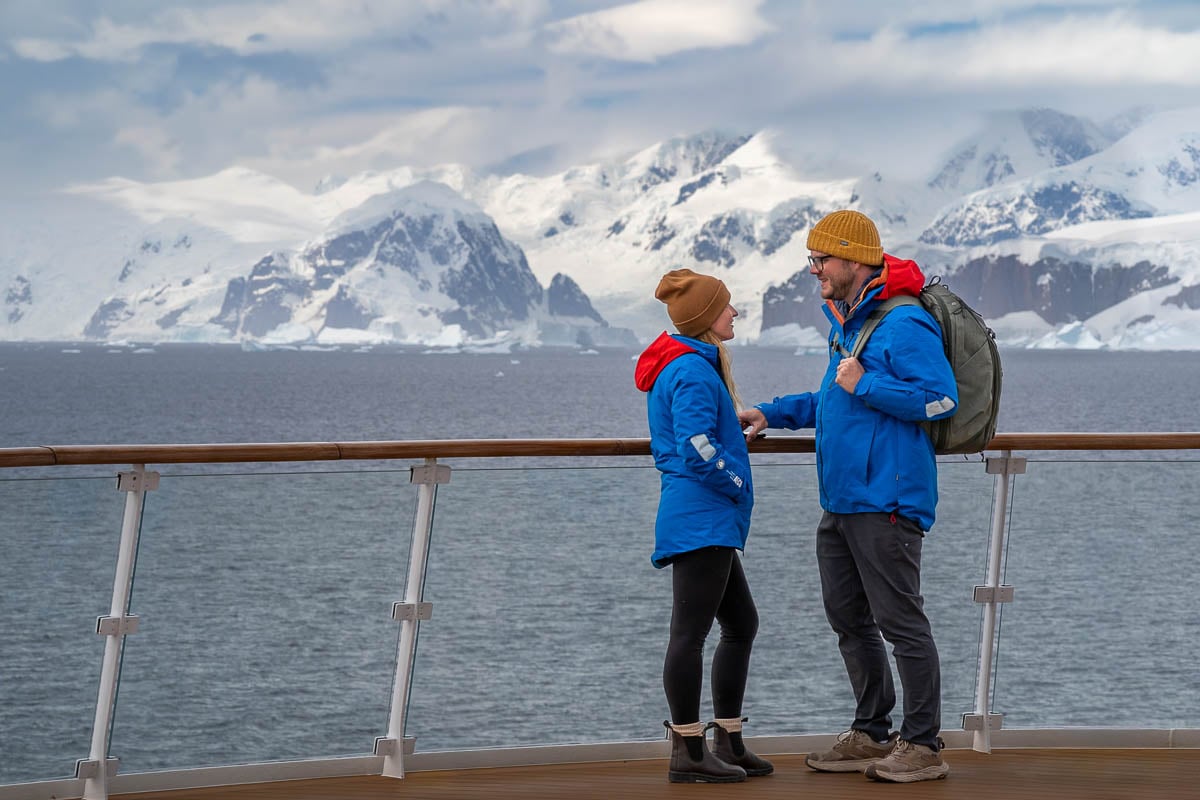

What to pack for Antarctica
Clothes
Your primary objective when packing for an Antarctica cruise is to bring along tons of layers that you can adjust, depending on whether you’re just hanging out onboard or having adventures outside, as well as the weather that particular day. We experienced sunny days with temperatures that were close to 50° F, as well as blustery days with a windchill that was well below 0° F.
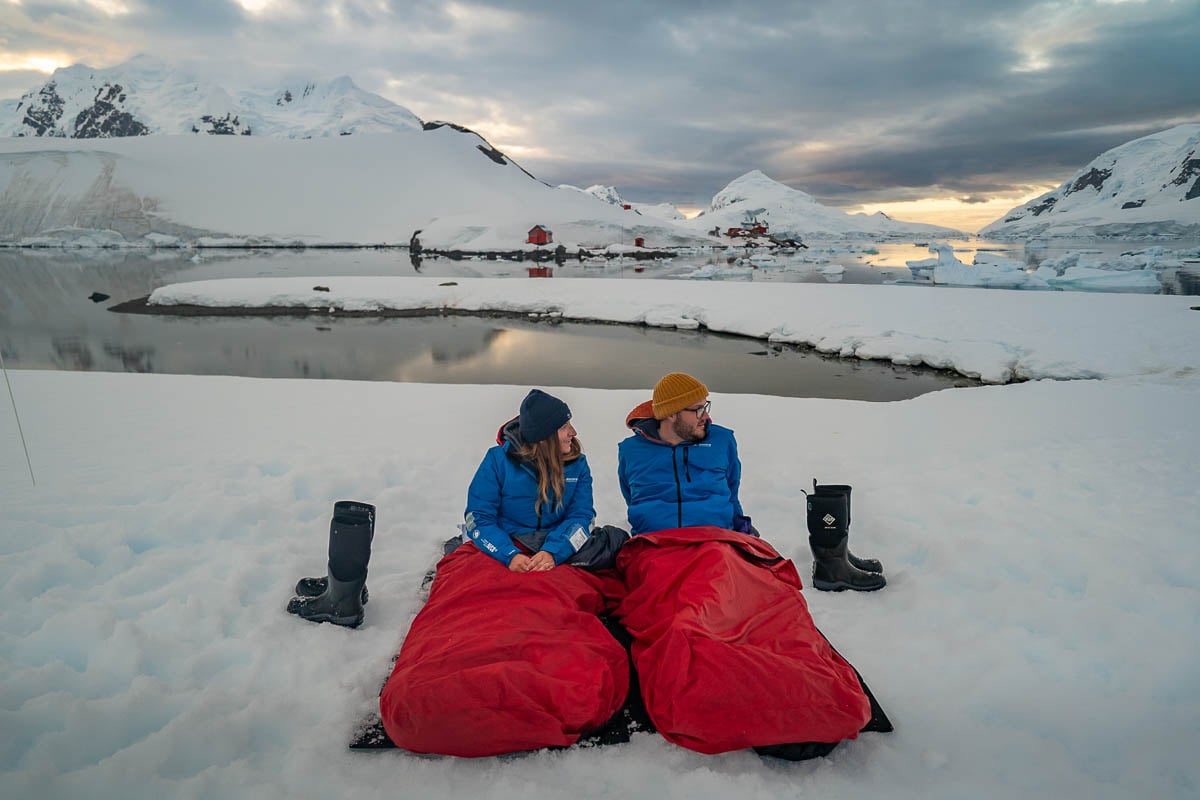
Additionally, you’ll need to adjust the quantity of clothing items I suggest in this article, depending on the length of your cruise, how comfortable you are rewearing certain items, and whether you’re okay ponying up to have laundry done onboard. Pretty much all cruise ships will have laundry services, but it can be on the pricier side.
Insider tip: Check with the reception desk when you're onboard to see if there’s any specials on laundry—our cruise ran occasional deals where a big bag of laundry cost just $35.

Alternatively, we love these little Soak tablets, which lets you easily wash out clothes that might need a refresh in the sink.
1. Puffer jacket
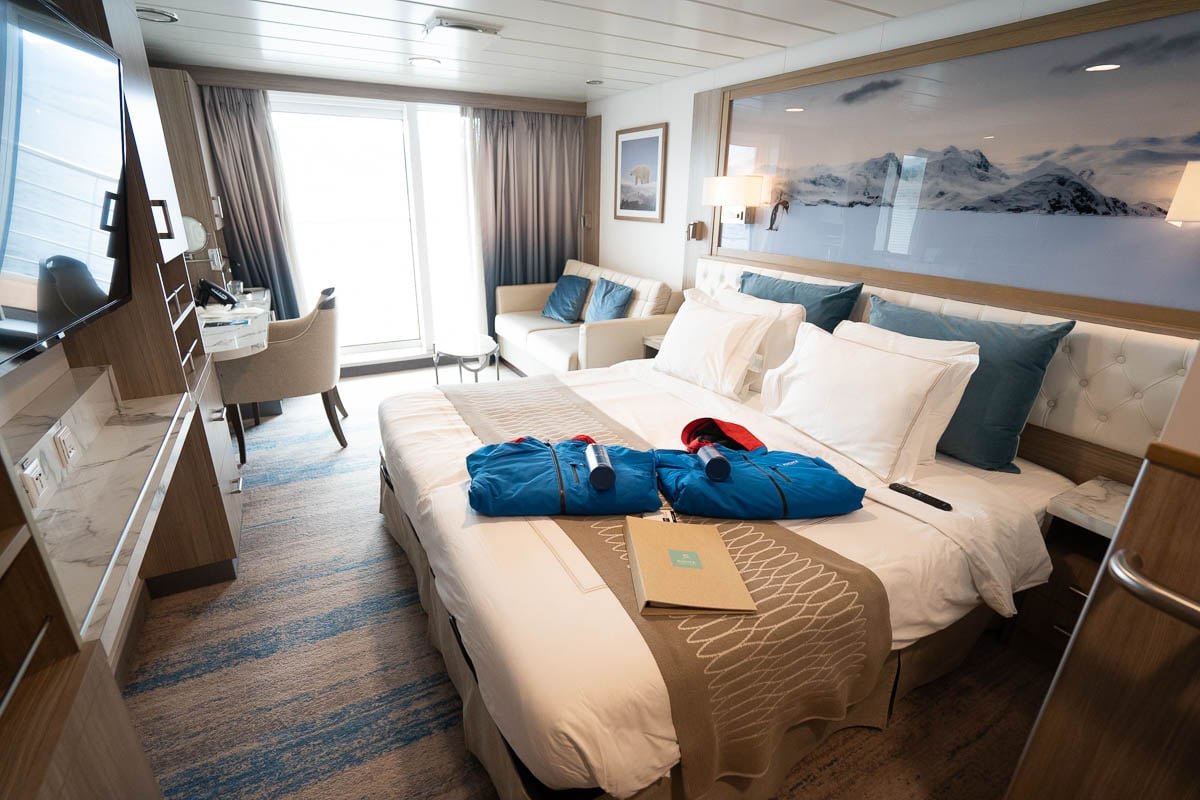
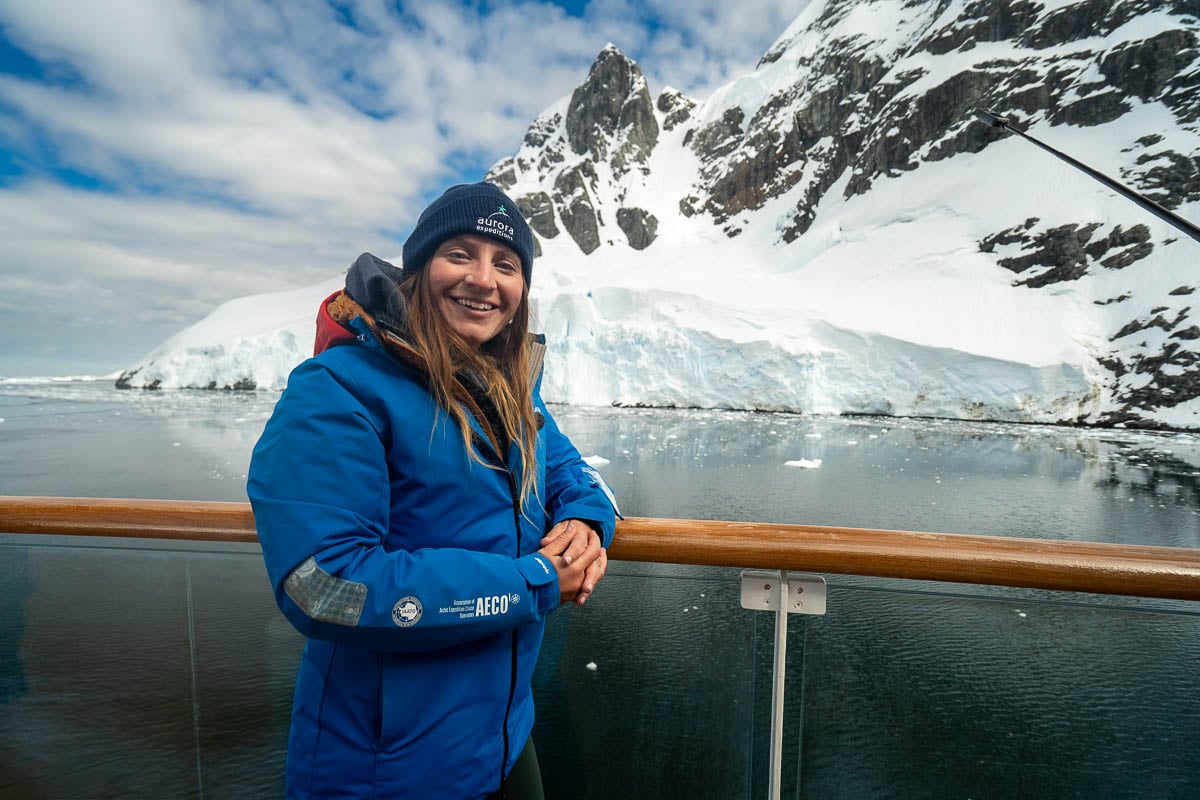
Most expedition cruise operators will provide a waterproof parka to wear on expeditions that’s waiting for you in your cabin on embarkation day. I’d recommend double checking with your operator that they’re providing you one, as having a waterproof and windproof parka is an absolute must—you won’t be allowed off the ship without one.
Assuming that your cruise company is providing you a waterproof parka, I’d still recommend bringing a puffer jacket of your own. For one, you’ll need it to walk around Ushuaia, Argentina (or wherever your port city is) for a day or two before you actually embark on the cruise. Plus, puffer jackets aren’t too bulky so that you can throw it on as an extra layer on a particularly chilly day.

They also pack down to basically nothing, so you might as well throw one in your suitcase!
Here’s the jacket that Justin has and here’s the jacket that I have.
2. Base layer tops (x5)
Base layers are awesome, because they’re, well, the perfect base for your outfit, whether you’re just lounging around the ship or layering up for an outing on the ice.
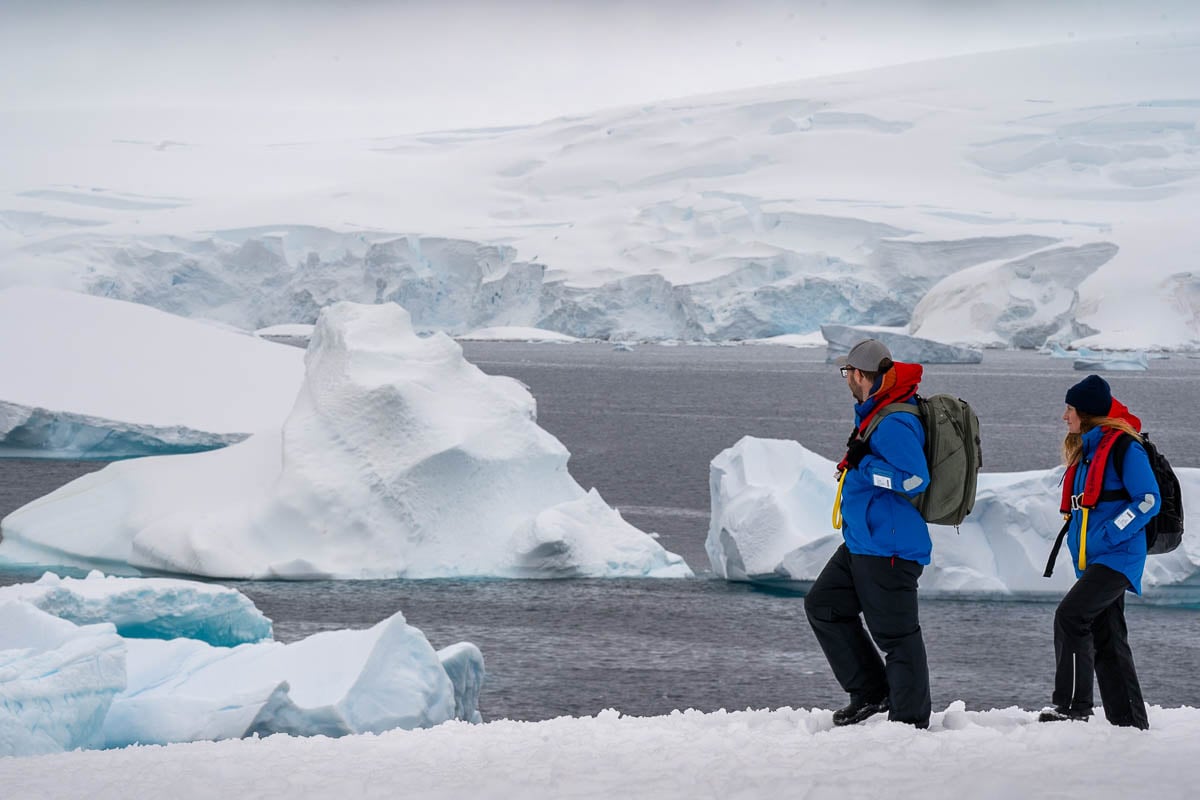
I’d suggest looking for fabrics that are moisture-wicking. Many of the landings we did included hiking up pretty steep hillsides and, even when the temperature was freezing, I’d often get sweaty under all of my layers. And there’s nothing that makes you feel colder than being damp in an already chilly environment!
I have a bunch of these tops in basically every color and Justin has a few of these base layers.
3. Mid-layer top (x4)
I’d suggest bringing along several zip-ups, sweatshirts, or sweaters to provide extra warmth while you’re outside and to throw on while you’re hanging out onboard—our ship was regularly pretty chilly!

Fleece zip-ups keep you nice and toasty and look slightly more pulled together than a slouchy sweatshirt. Here is the one I’ve used for years and here’s an option for men.
4. T-shirts (x8)
Unless you’re going with an ultra luxury operator, like Silverseas or Seabourne, most expedition cruises are pretty casual, so t-shirts are great to have on hand to wear at onboard lectures, under layers on excursions, or even to work out at your ship’s gym (if you actually make it there, you’re a better person than me!).
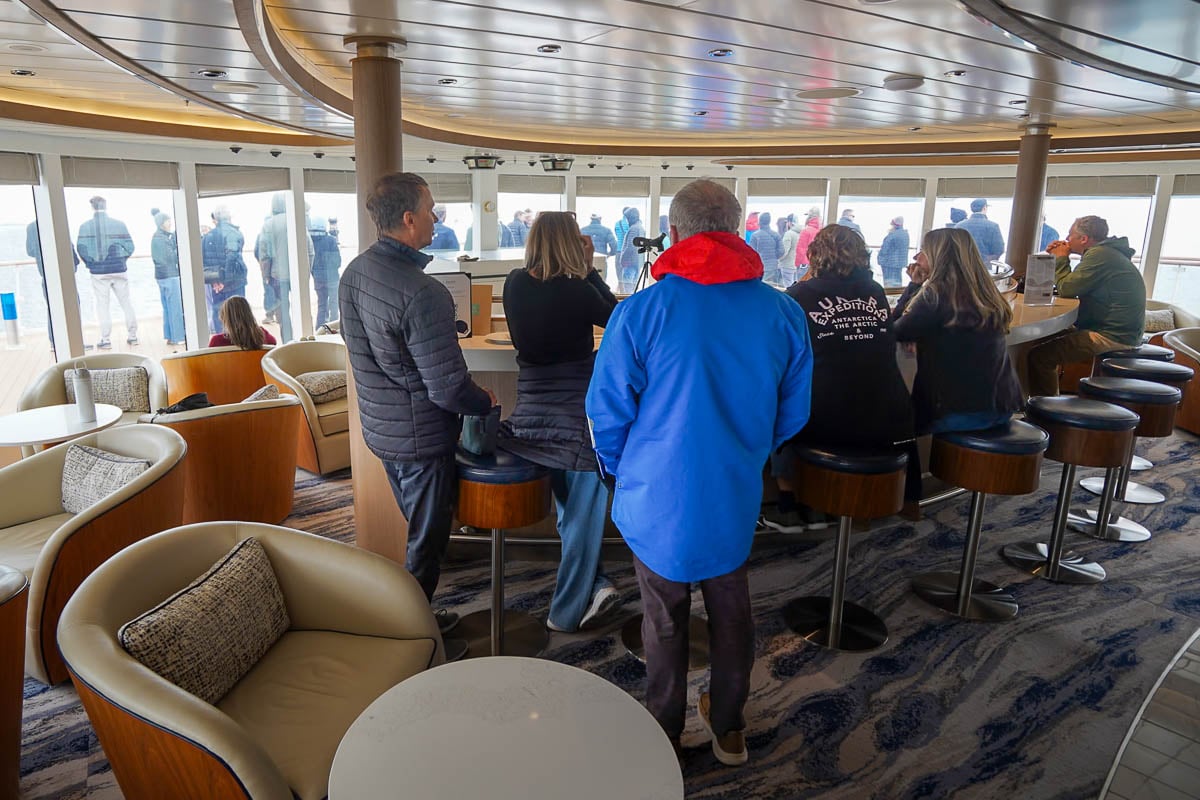
Justin literally wears these shirts every single day. They’re super soft and quite flattering. And I have several of these tees, which can be worn casually with jeans to lounge around the ship or could be dressed up with a skirt or cardigan for a nicer dinner.
5. Base layer bottoms (x3)
You probably don’t need to wear thermal bottom layers every day, especially if you’re heading out for a more physical outing, like hiking.
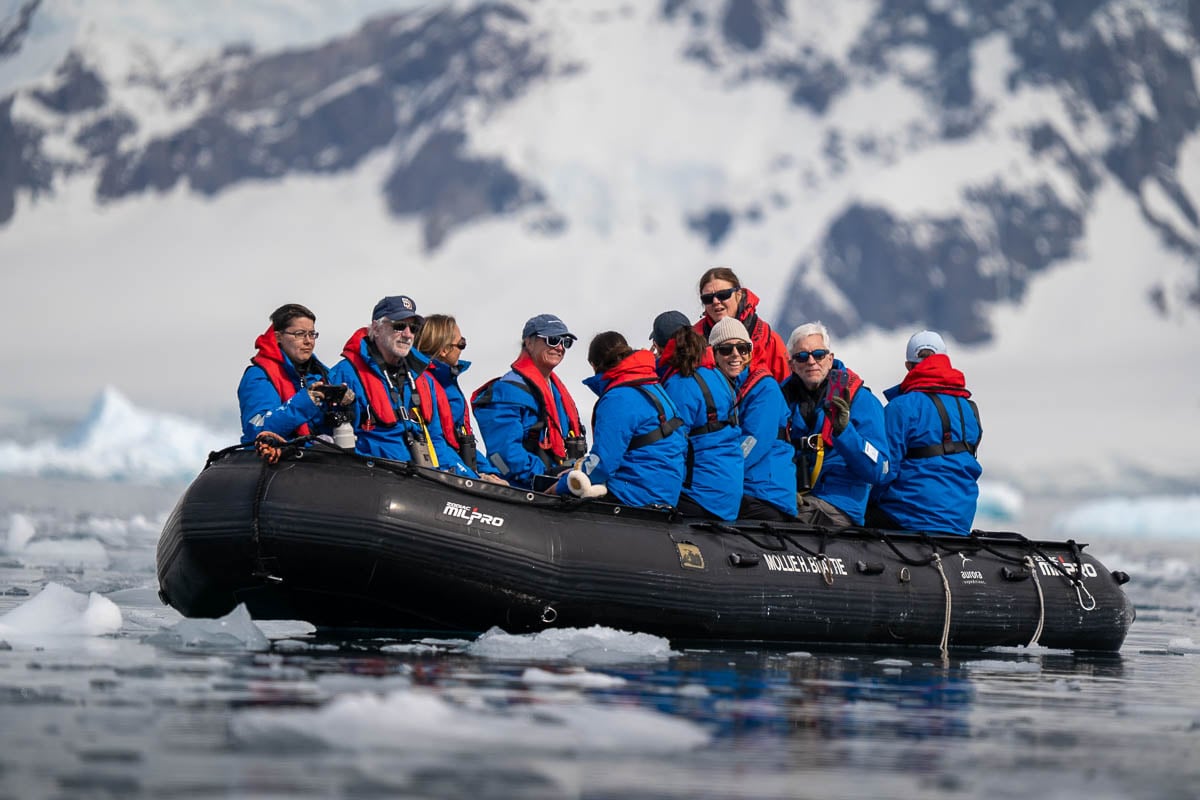
But there were several instances where we didn’t move around much, like sitting on a Zodiac boat with the cold wind whipping on your face or where we stood on the deck for hours, watching whales or icebergs pass our ship, without moving around much. Just sitting or standing in one place out in the Antarctic weather can feel quite cold REAL fast.
I just got by wearing fleece-lined yoga pants, like these ones, that are thin enough to wear under other layers of pants on super cold days. And, for men, these are a great option to slip on under your normal pants.
6. Pants (x5)
You have some flexibility in what kind of pants you bring, given you’ll need to wear waterproof pants whenever you’re on an excursion, but I’d consider bringing something that’s loose enough to wear a base layer under and comfortable enough to move around in, like getting in and out of Zodiacs and walking up fairly steep inclines.

It’s also not a bad idea to bring pants that are moisture-wicking—it’s not unusual to have long periods where you’re standing on the deck, spotting wildlife or icebergs, when it might be snowing or sleeting. And nothing is worse than wearing jeans whilst getting wet in the cold!
Justin has a couple pairs of these pants, which can be dressed up to go out or can be used on a hike. It’s so hard to find not super dorky looking hiking pants for women, but these cover all the important bases (stretchy, moisture-wicking, and versatile) without looking too utilitarian.
7. Waterproof pants
These are a must have.
If you’re on an expedition cruise, you will take a Zodiac for every single outing, either just zipping around in the boat itself or taking one to land onshore. Weather and wind in Antarctica are unpredictable, so it’s not uncommon for icy water to splash while you’re riding around or for you to have to wade through a bit of water to land onshore.
Accordingly, you will not be allowed off the ship if you don’t have waterproof pants.

Rain pants (here’s an option for men and women) work just fine, especially in the warmer months of January and February.
However, if you run cold, it’s not a terrible idea to include some snowpants on your Antarctica cruise packing list, instead, to add a bit of extra insulation (his and hers).
Just be aware that you’re not allowed to get on the ground at all in Antarctica—you can’t kneel, crouch, and DEFINITELY no making snow angels here, to prevent the possible spread of bird flu. So, any snow pants you bring won’t really get much action in the snow!
8. Nicer outfits (x2)
As noted above, the overall casualness of your cruise will depend on which operator you go with.
We’ve sailed on a total of four expedition cruises with Aurora and Lindblad Expeditions. The only dress code we’ve ever been told was that pajama pants were discouraged in Lindblad’s dining room (and, truth be told, one gentleman routinely wore pajama pants in the dining room without issue).
Most travelers onboard these cruises were definitely on the casual side at pretty much all times—think sweatshirts, sweaters, jeans, and yoga pants.
But most passengers dressed up a bit for the Captain’s Dinners, which typically take place on the first and last days of the cruise. Nobody wears anything too fancy—think, a casual button down shirt for men and a nicer sweater for women.

Just be sure to double check whether your cruise has a dress code before you set sail. There are certain cruise lines, like Silverseas, that have much stricter restrictions (e.g., no jeans or yoga pants in public spaces after 6 PM), so be sure you pack accordingly.
9. Knit hat
10. Baseball hat
On sunnier days when we had hiking excursions, I’d get way too hot to wear my beanie. On these days, it was definitely nice to have a baseball hat on hand to help block the sun, which is surprisingly intense in Antarctica.

11. Waterproof Gloves
12. Buff
13. Swimsuit
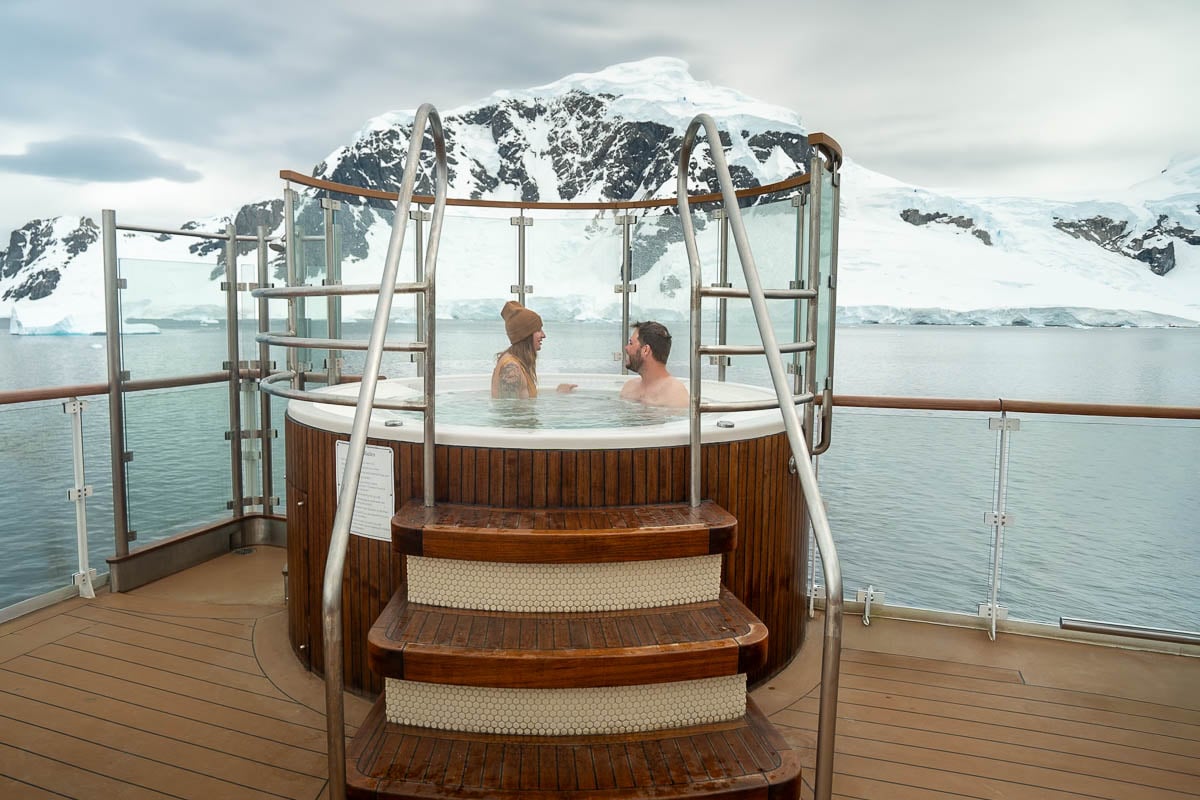
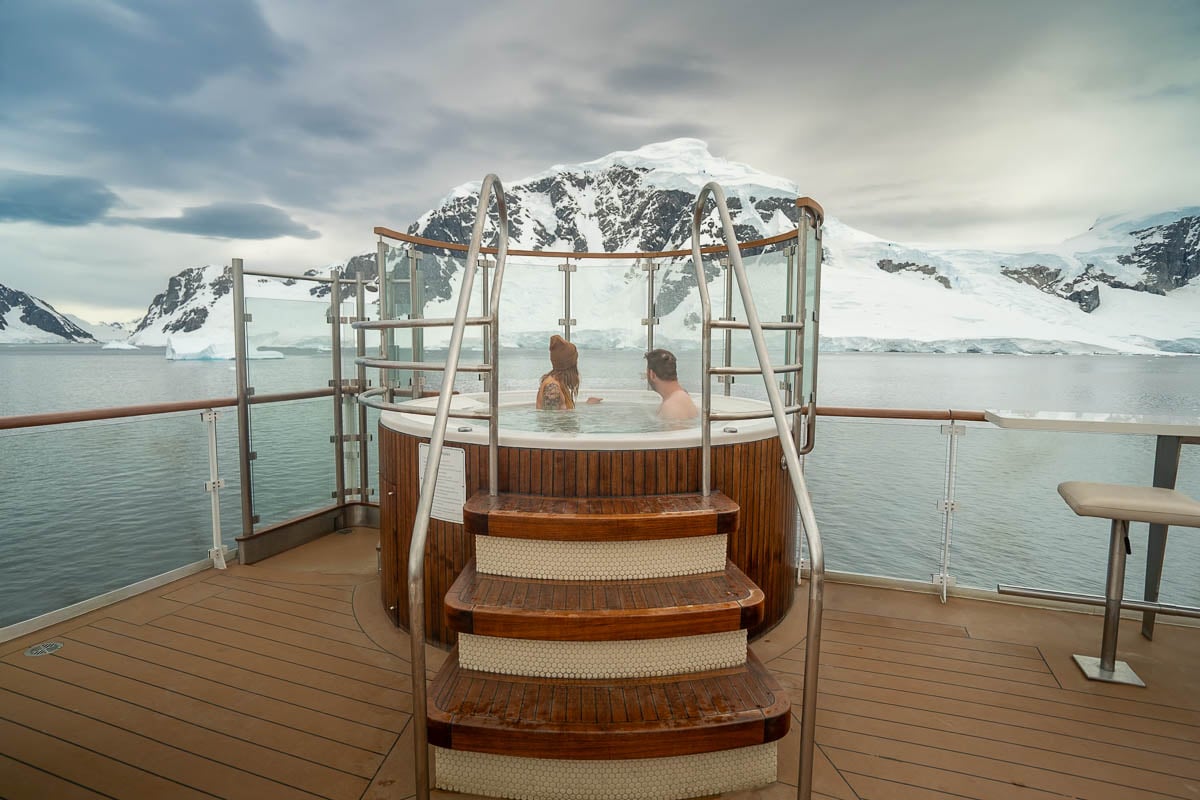
To enjoy your ship’s sauna, hot tub, or heated pool and to participate in the infamous polar plunge
14. Comfortable shoes
Most operators provide insulated muck boot rentals, which you are required to wear on any outing (just be sure to double check this is the case before you go—for example, Lindblad requires you to buy or rent your muck boots elsewhere!). Outside hiking boots and the like are typically not allowed to be used to prevent the spread of non-native plants or diseases on land.
So, theoretically, you really just need one pair of sneakers or other comfortable shoes that easily slide on and off to wear around the ship and on embarkation and disembarkation days.
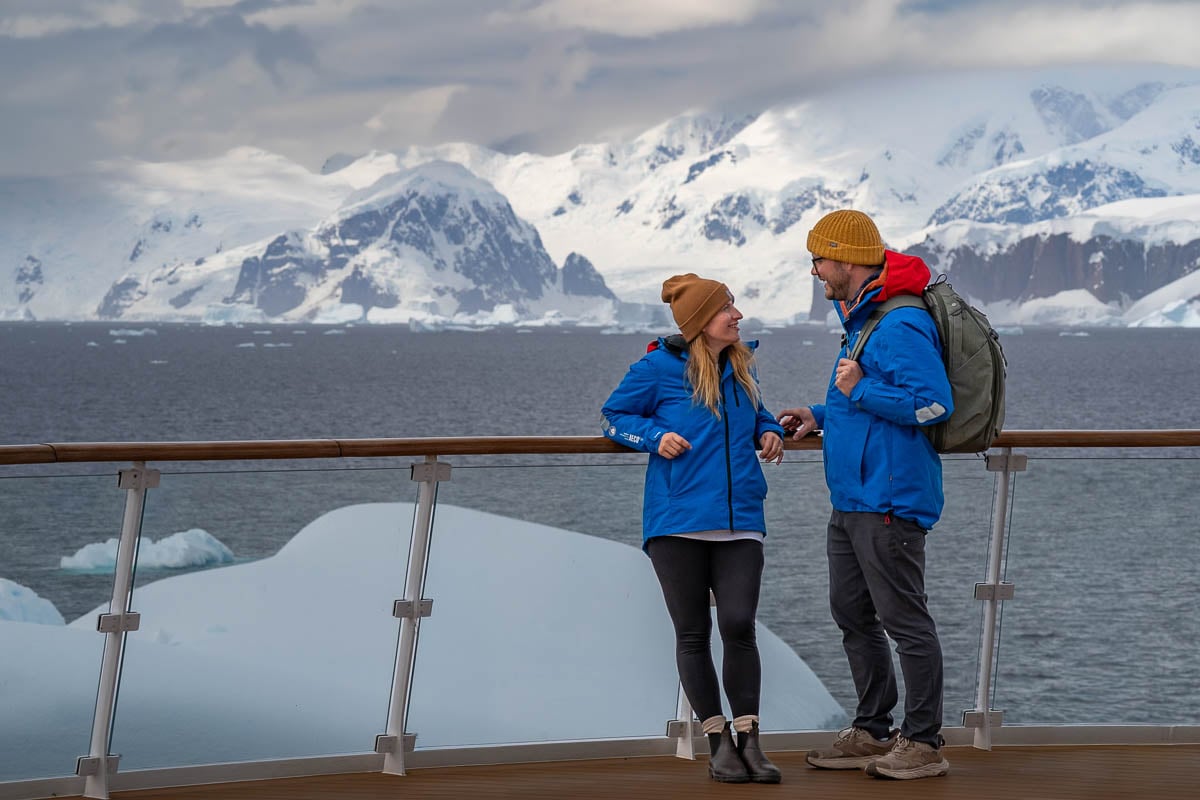
If your ship has a hot tub, pool, or sauna, you might also want to consider including a pair of sandals on your Antarctica cruise packing list, so you don’t have to walk around public spaces with that very attractive sneakers and a bathing suit look.
I brought my Blundstone boots when I wanted to look a bit more dressed up or if I was standing on the deck for a long portion of time, as well as my Teva sandals to wear around the ship and to use the hot tub.
Justin brought along his trusty trailrunners and a pair of Tevas.
15. Pajamas
16. Underwear (x14)
Again, it can be a good idea to bring along odor-resistant and moisture wicking undies, given the lack of laundry facilities. Here’s a merino option for women and here’s an option for men.

17. Bras (x3)
For the boob-havers amongst us, obviously
18. Socks (x10)
Be sure to bring along some warm and thick socks. The muck boots are typically on the looser side and can wind up giving you blisters if you wear overly thin socks.
During our Svalbard cruise with Aurora Expeditions, I just brought along my regular ol’ hiking socks and usually had to wear two pairs at once for sufficient warmth.

So for our trip to Antarctica, I learned my lesson and bought these merino socks instead. I absolutely LOVED them—super soft and warm. Here’s an option for men.
Tech gear
1. Camera
If you have a mirrorless camera, I’d strongly recommend bringing it to Antarctica—it’s probably the most stunning place we’ve ever been, with HUGE mountains, epic icebergs, and so much wildlife.
Justin and I each brought along our Sony A7iii and are SO happy that we did. We were able to take some absolutely INCREDIBLE photos that our slightly older cell phones just wouldn’t be able to reproduce.
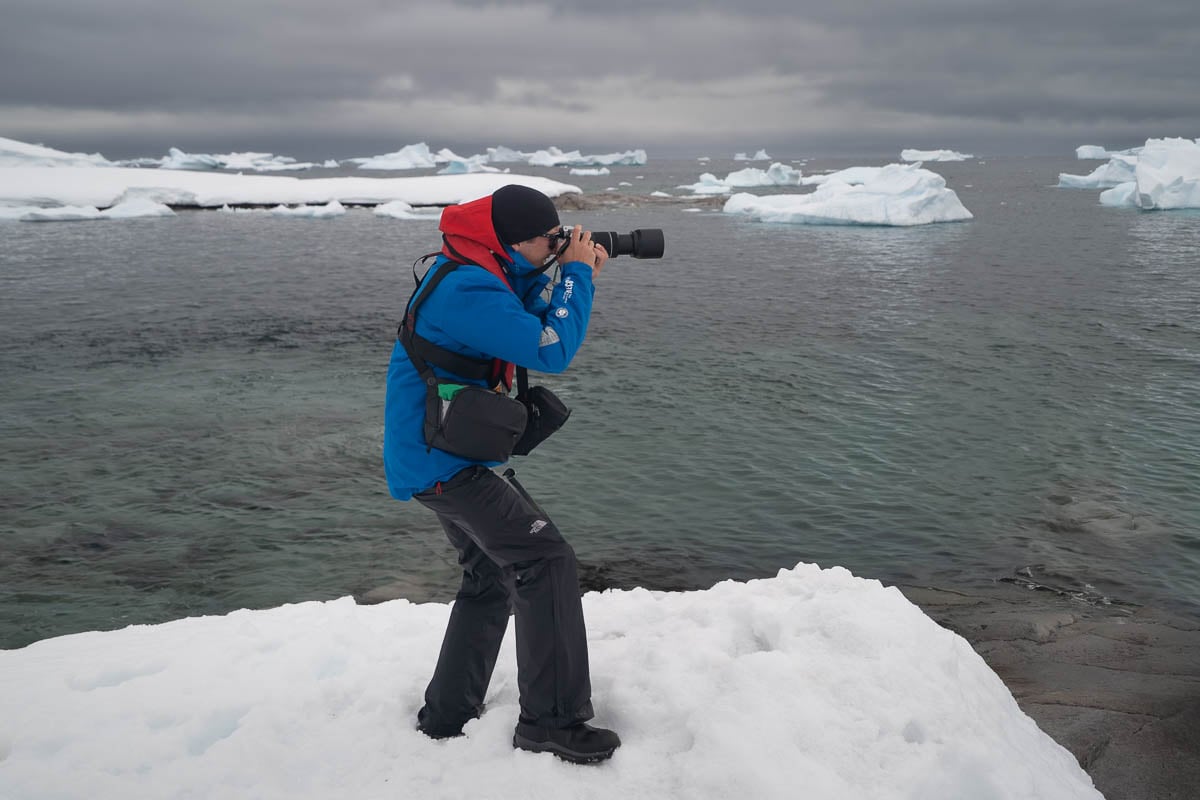
If you only have a cell phone camera, not to worry! There are some places on the planet, like the Arctic, where the wildlife tend to be small and pretty far away.
That’s not always the case in Antarctica—you’ll have to stay a reasonable distance from wildlife to comply with protective regulations here and to avoid negatively impacting the animals, but you can usually get close enough that taking great videos and photos with modern cell phones shouldn’t be too big of an issue.
2. Lenses
Something that non-photographers don’t often realize is that a good camera is nothing without a solid lens.
We brought our Sigma 100-400mm lens on our Svalbard cruise and wound up really wishing we had a longer lens. Actually, after that trip, we wound up running out and buying a Sigma 60-600mm lens to use for our Greenland cruise with Lindblad Expeditions and our Antarctica cruise with Aurora Expeditions.

As mentioned above, I don’t think you need a super long lens in Antarctica as much as you need one in the Arctic, given there’s a lot more wildlife that are typically a bit closer to you, but there are still TONS of times we were grateful for the range it afforded us—for example, allowing us to play with compression with super massive icebergs and to capture wildlife that’s farther away, like whales.
Of course, you should also bring a wide-angle lens to capture all of Antarctica’s sweeping landscapes and for any photos you might want to take onboard.
3. Tripod
Whether you want to take hyperlapses while you’re camping on the ice or don’t want to hold a massive lens for hours at a time while you’re snapping photos of whales around your ship, having a tripod on hand is always a good idea.
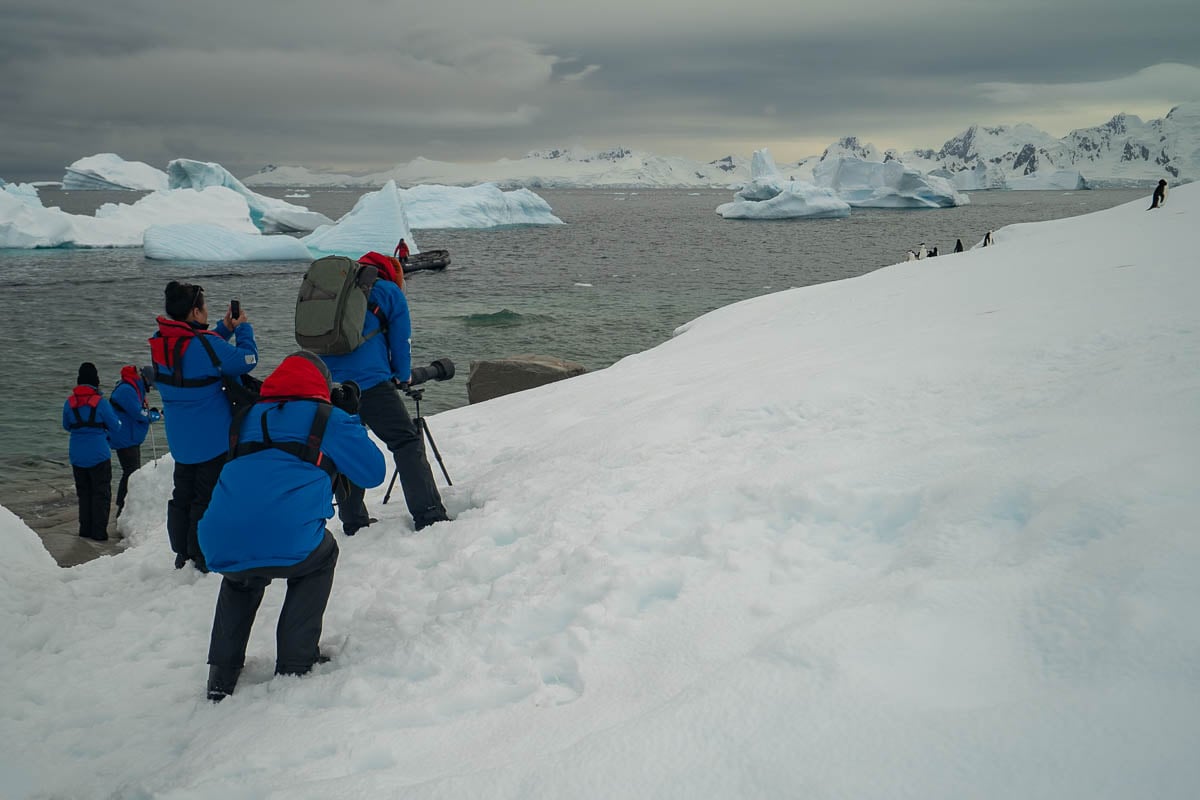
We have this one, which is SO sturdy, weighs less than three pounds, and effortlessly fits in a water bottle pocket. What’s not to love?!
4. Insta360 or a GoPro
If you like having cool videos of your adventures, the Insta360 is a great option that can be used to capture a variety of cool perspectives, whether you’re snowshoeing up a mountain or want to get a cool aerial shot of your Zodiac.
One of the huge benefits of an Insta360 is that it captures everything around you, so you don’t even have to be pointing it in the right direction. We went snorkeling on our Antarctica cruise and wound up actually swimming with a penguin for a couple of minutes without even realizing it until the very end—but luckily, our Insta360 caught it all on camera!
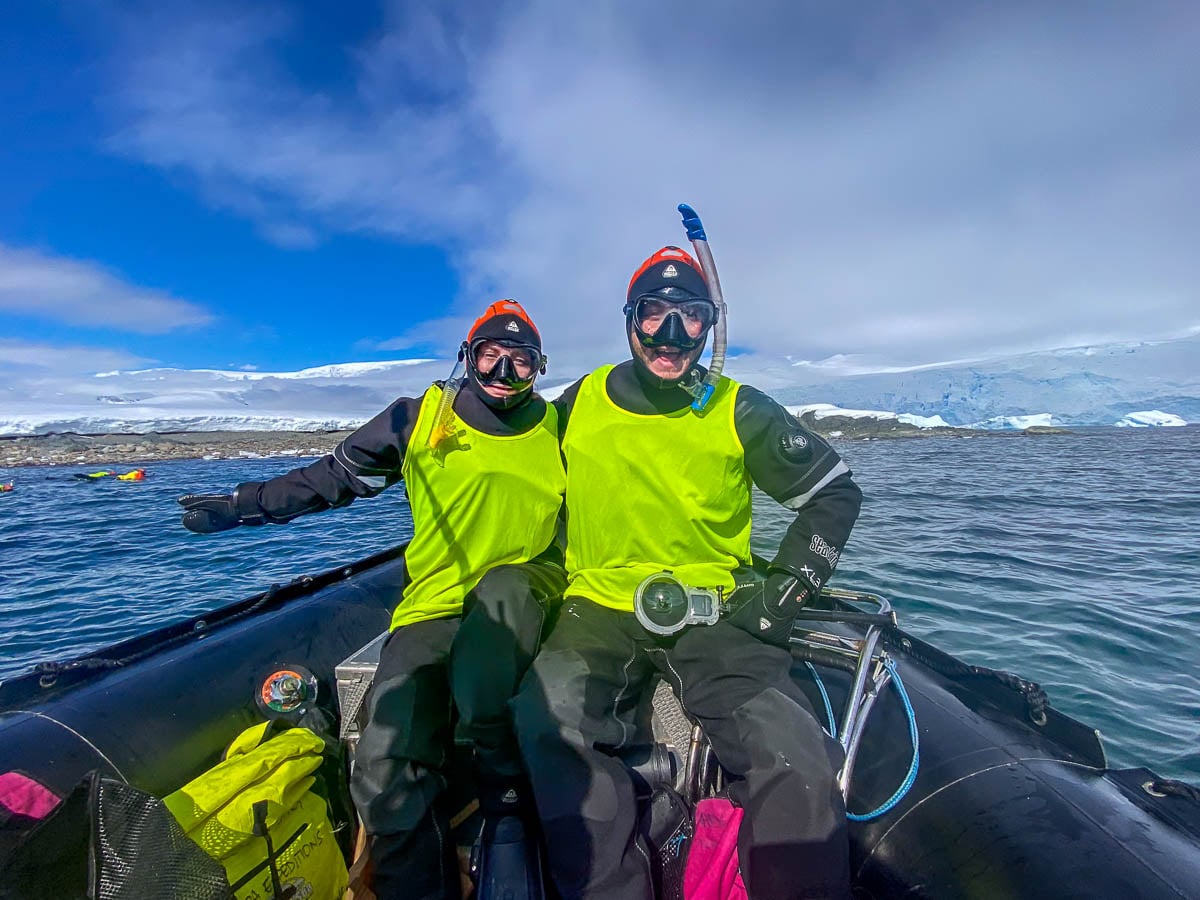
Just be aware that if you plan on using an Insta360 underwater, whether it’s for snorkeling or to capture whales if they’re swimming near your Zodiac, you’ll need to also get an underwater dive case to get usable footage without a bunch of weird lines in it.
We didn’t realize this before we went snorkeling in Silfra, a fissure filled with crystal clear blue glacial meltwater, in Iceland and were SO disappointed to see that the footage was really soft-looking and had a bunch of funky warp-y lines through it.
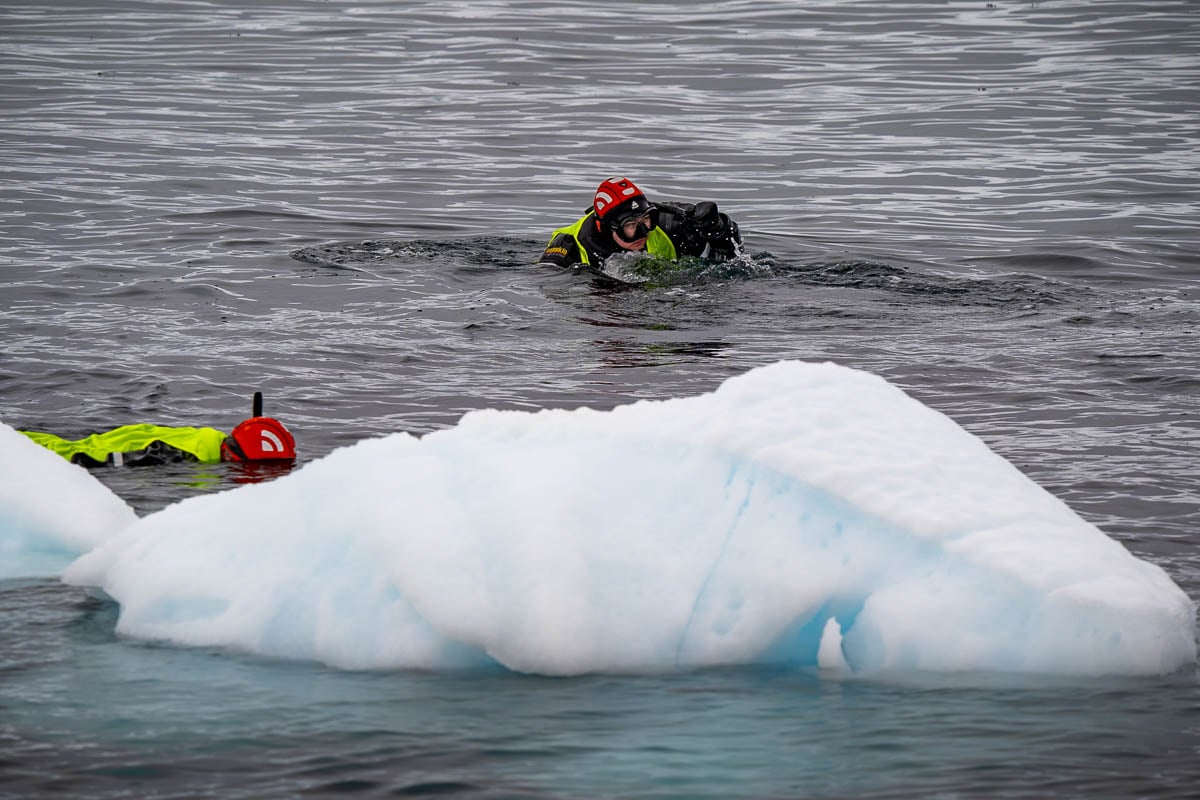
You’ll also want an invisible selfie stick, so you can use the Insta360 to its fullest extent (e.g., to get drone-like footage or videos of yourself swimming underwater).
If all that sounds a bit overwhelming, a GoPro mounted on a simple handle is a bit more simple to use, requires less accessories, and is a cheaper solution. There’s definitely some drawbacks (for example, since we didn’t know that penguin was swimming around us while we were snorkeling, we would’ve never captured it with a GoPro), but it will generally do the trick just fine.
5. Cell phone
6. Charging cables
7. Universal travel adapter
Many expedition cruise ships have universal outlets, but not all of them do. Additionally, if you’re sailing out of Ushuaia, Argentina uses Type 1 outlets, with three flat diagonal pines.
So, I’d recommend packing a universal travel adapter for your Antarctica cruise. We’ve had this one for close to 12 years and it’s still going strong! I also love that there are five USB ports, which allows us to charge more of our gear using just one outlet.
8. Battery pack
Some ships don’t have outlets next to the beds, so, if you’re like me and doomscroll before falling asleep, it’s nice to have a battery pack to keep on your bedside table to charge your phone if you accidentally fall asleep.

A battery pack can also come in handy on the long flights you’ll probably need to take to the port city or if you need to charge your camera on the go, if you’re having a particularly camera intensive day (it’s totally happened to us before!).
This battery pack is another one of the pieces of travel gear we’ve had for well over a decade, and it’s still going strong—definitely a keeper!
9. Wired headphones
For watching movies on the long plane rides
10. Wireless headphones
For watching or listening to stuff on your phone on the plane or during the cruise
Pssst... if you're spending any time in South America before or after your Antarctica cruise, I'd recommend also purchasing an eSIM so that you can have high speed data while you're out exploring this beautiful corner of our planet. We've used a variety of different eSIMs before and can definitely recommend SIM Local and Gig Sky as solid options!
Toiletries
1. Sea sickness medication
If you’re heading to Antarctica, there’s a good chance that you’re going to have to cross the Drake Passage, which is recognized as the most dangerous stretch of ocean in the world. The Drake Passage famously can get up to 40 foot waves at a time, a phenomenon that’s earned the moniker, the “Drake Shake.”
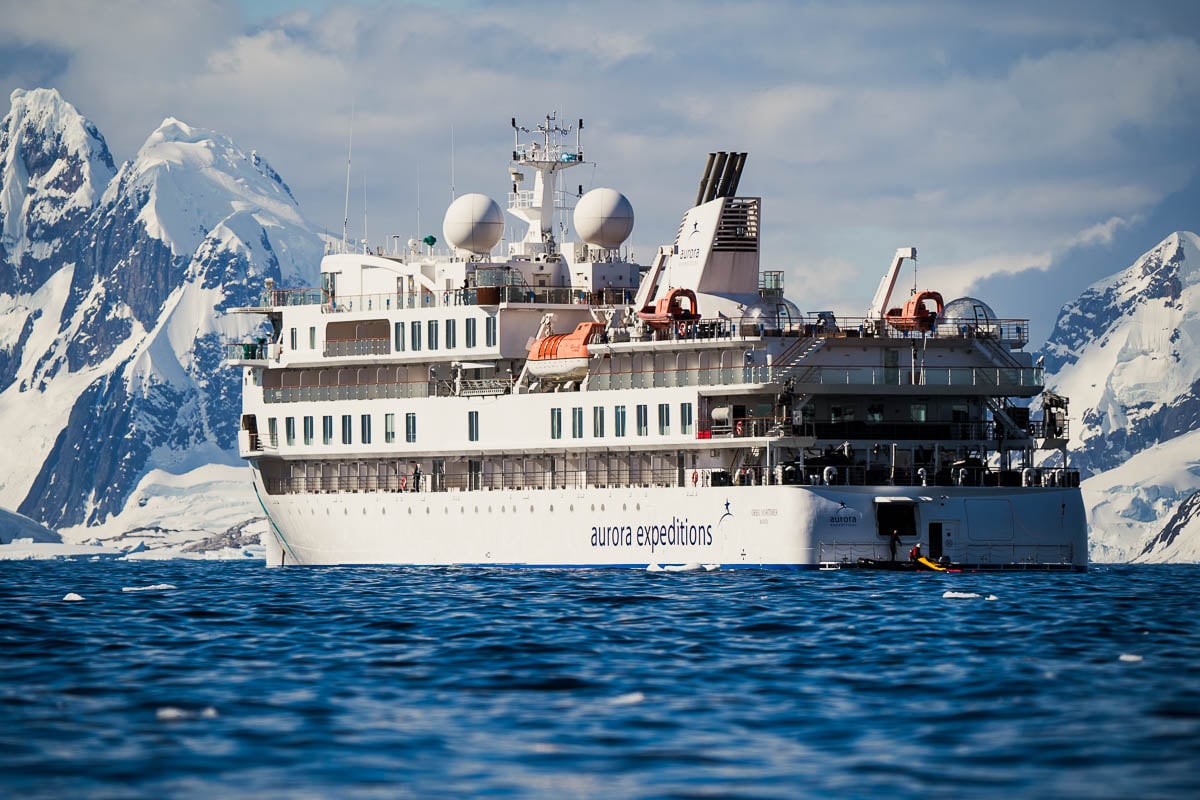
Accordingly, come well stocked with plenty of Dramamine or, if you’re predisposed to getting seasick, you might want to talk to your doctor about being prescribed a scopolamine patch.
We got lucky with a super calm “Drake Lake” both to and from Antarctica, but I was glad we had tons of provisions on hand, just in case!
Pssst... some operators have started offering "fly and sail" packages, where you skip the Drake Passage by flying from Chile to Antarctica, which may be a good option if you're especially prone to seasickness. If you want more tips on picking the right itinerary for you, be sure to check out our article on choosing the right Antarctica cruise for you!
2. Sunscreen
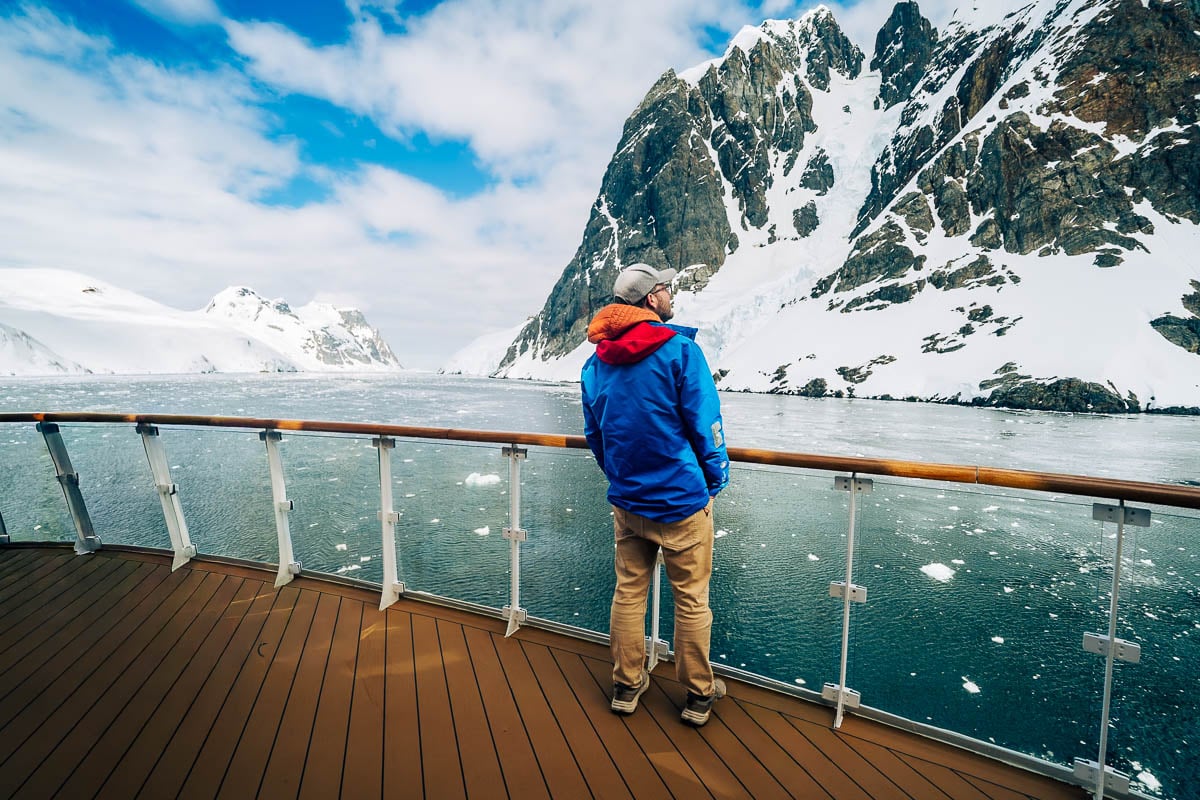
I was super surprised how intense the sun is in Antarctica, between the ice, snow, and water—I actually got sunburn a few times during our cruise! So be sure to sunscreen up before every outing.
3. Lip balm
Believe it or not, Antarctica is the largest and driest desert on the planet and your lips will definitely feel it.
4. Hand sanitizer
Cruises have quickly become one of my favorite ways to travel, but I ALWAYS get sick when I go on them. Everyone is touching the same buffet tongs, elevator buttons, and coffee machines—it’s no wonder germs spread so quickly!

Bring along plenty of hand sanitizer and honestly, having some masks on hand isn’t a terrible idea, either.
5. Toothbrush, toothpaste, and floss
6. Deodarant
7. Hairbrush
8. Contacts, contact solution, and glasses
9. Any medications you might need
Miscallaneous
1. Passport and visas (if needed)
Most passengers will have to travel outside of their home country to reach the port they’ll be embarking on their cruise, so packing your passport is a must.

You should also be sure to double check if you need any visas to enter whatever country your cruise is departing from—we always use this site to check whether we need a visa.
2. Travel insurance
Unfortunately, things can go wrong either en route to or during an Antarctica cruise—I just read a Facebook post today about someone that had a heart attack after doing the polar plunge and needed to be evacuated!
You need to have travel insurance that covers you in the event you need an emergency evacuation or medical treatment while you’re at sea—in fact, many cruise lines requires that you have at least $250,000 in medical evacuation coverage.

We’ve had good experience with World Nomads and they’re one of the only insurance carriers that provides coverage in Antarctica! Just make sure to read the fine print and ensure that you buy coverage that includes any of the more adventurous activities you might do on your trip, like kayaking or snorkeling.
3. Eye mask
Fun fact—the sun doesn’t set in Antarctica from mid-November through mid-January. Even in March, daylight typically lasts for over 12 hours a day. So, unless your ship has some REALLY intense black out curtains, you’re going to have some light seepage in your room.

If you’re a sensitive sleeper like me, I’d strongly recommend bringing along an eye mask, especially if you’re planning on going on a camping trip. It’s REALLY hard to fall asleep on the snow, while BRIGHT sun is shining directly on your face!
4. Sunglasses or goggles
As mentioned above, Antarctica is incredibly bright with the sun and the snow.

Sunglasses worked just fine for me, but lots of passengers and expedition guides opted to wear ski goggles, to serve as both protection against the light, as well as the cold wind and any other precipitation in the air. Plus, you look like a REAL polar explorer with a set of goggles on!
5. Binoculars
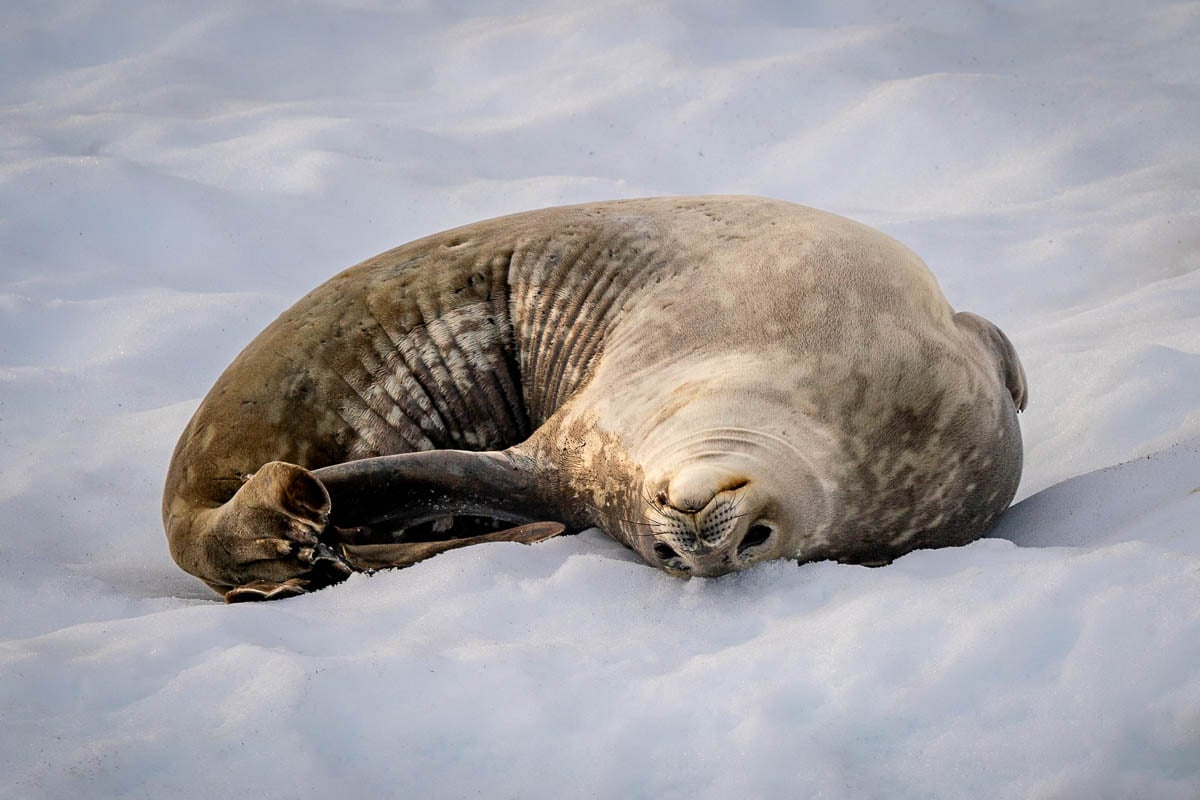
These always come in handy to get a better look at seals that are lying on icebergs, seabirds while you’re crossing the Drake, or whales that are off in the distance.
Here’s a nicer pair that might be worth investing in, if you plan on going on lots of expedition cruises and other wildlife spotting adventures, or here’s the more entry-level pair that I’ve been using and work just fine!
6. Travel pillows
These come in handy for long plane rides and are especially nice to bring along if you’re planning on going on a camping excursion (most operators don’t include pillows in your camping gear).
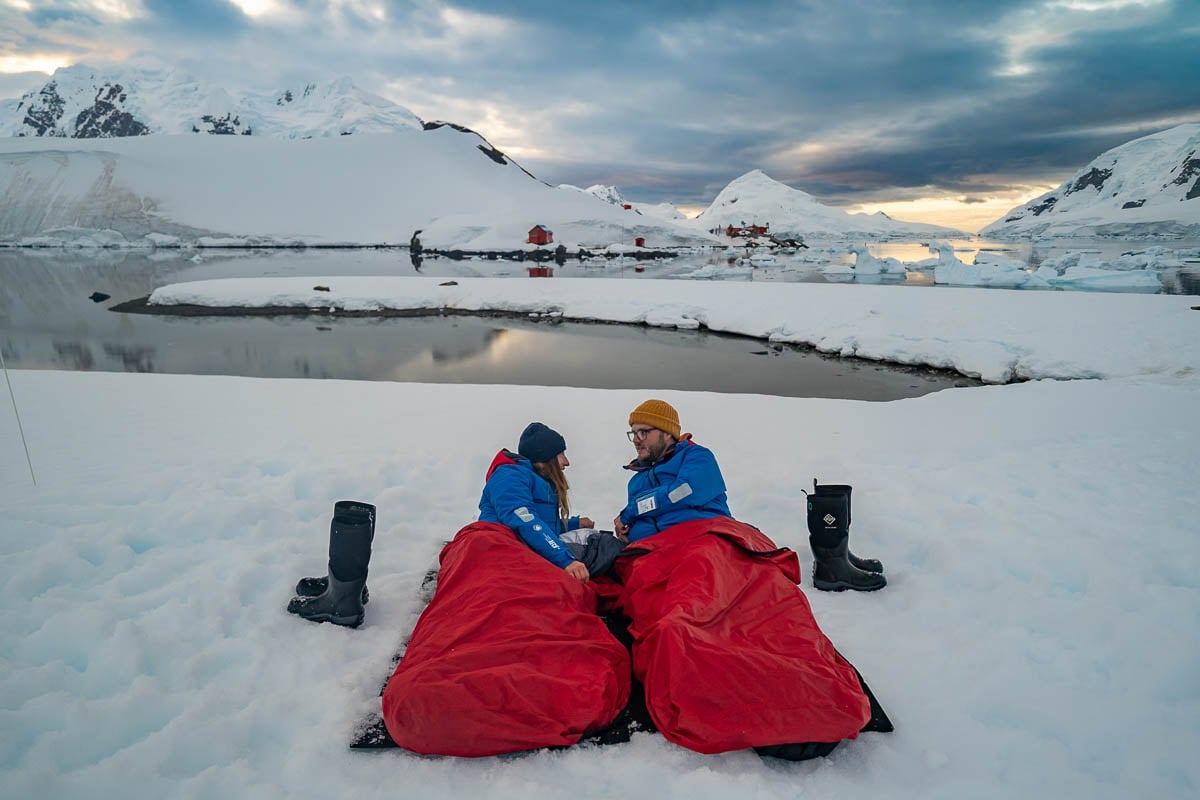
These are the pillows that Justin and I use for backcountry camping that have quickly become our go-to travel pillows as well. They’re super comfy, versatile, and pack down to nothing!
7. Packable day pack
You’ll want to have something that you can toss your sunscreen, camera, tripod, and gloves or other layers into when you head off the ship for outings.

8. Dry bag
If you have any expensive electronics, I’d recommend bringing along a dry bag to pack them in while you’re heading off the ship, in case you get splashed with the icy water of the Southern Ocean, your bag accidentally drops into the water while you’re getting off a Zodiac, or you encounter any precipitation while you’re out exploring.
9. Retractable clothesline
I’d check with your cruise operator to see if a clothes line is provided in the bathroom (they are in all of the ships we’ve sailed on Lindblad and Aurora), but, if not, I’d suggest bringing one with you.

We used our clothesline ALL the time to dry off our swimsuits, rainpants, and other clothing items that got damp on our adventures.
Antarctica packing list
If you’d rather just look at a clean and simple list of items you need, without all of my explanations in between, here you go!
Clothes
- Puffer jacket
- Base layer tops (x4)
- Mid-layer top (x4)
- T-shirts (x4)
- Base layer bottoms (x3)
- Pants (x4)
- Waterproof pants
- Nicer outfits (x2)
- Waterproof Gloves
- Buff
- Knit hat
- Baseball hat
- Swimsuit
- Slip-on shoes
- Pajamas
- Underwear (x14)
- Bras (x3)
- Socks (x10)
Tech gear
- Camera
- Lenses
- Tripod
- Insta360 or a GoPro
- Cell phone
- Charging cables
- Universal travel adapter
- Battery pack
- Wired headphones
- Wireless headphones
Toiletries
- Sea sickness medication
- Sunscreen
- Lip balm
- Hand sanitizer
- Toothbrush, toothpaste, and floss
- Deodarant
- Hairbrush
- Contacts, contact solution, and glasses
- Any medications you might need
Miscallaneous
- Passport
- Travel insurance
- Eye mask
- Sunglasses or goggles
- Binoculars
- Travel pillows
- Packable day pack
- Dry bag
- Retractable clothesline
What to leave off your Antarctica cruise packing list
1. Drone
Drone usage is extremely strictly regulated in Antarctica and requires going through a long permitting process.
2. Shampoo, conditioner, body wash, and towels
These will be provided by any standard cruise operator.
3. Trekking poles
If you have mobility issues, it doesn’t hurt to double check with your operator, but almost every expedition cruise line will have trekking poles for you to borrow.
There you have it—the ultimate Antarctica cruise packing list! Do you have any questions about what to bring to this magical corner of the planet? Let us know any questions you might have in the comments below!
Thank you for reading our post! Check out our latest stories here and follow us on Instagram (@JustinAndJess_), YouTube, TikTok, or on Facebook to see what we’re up to next!
