

When planning our Antarctica cruise, I was REALLY overwhelmed with all of the different options on the market—budget trips on old Russian research vessels, elite luxury yachts with their own helicopters and submarines, and everything in between. Even as someone who LOVES travel planning (and has even made a whole career out of it!), I found researching the seemingly endless choices to be dizzyingly nerve-wracking.
After lots of hand-wringing over the decision, we wound up choosing a small expedition company that we absolutely ADORED and had the time of our lives with. After our own experience of falling into many rabbit holes when trying to pick the perfect itinerary AND having actually headed to the White Continent, here are 10 essential tips that I wish I knew about choosing the right Antarctica cruise for you before our trip.
This post may contain affiliate links. If you make a purchase through them, we may receive a small commission, for which we are extremely grateful, at no extra cost to you.
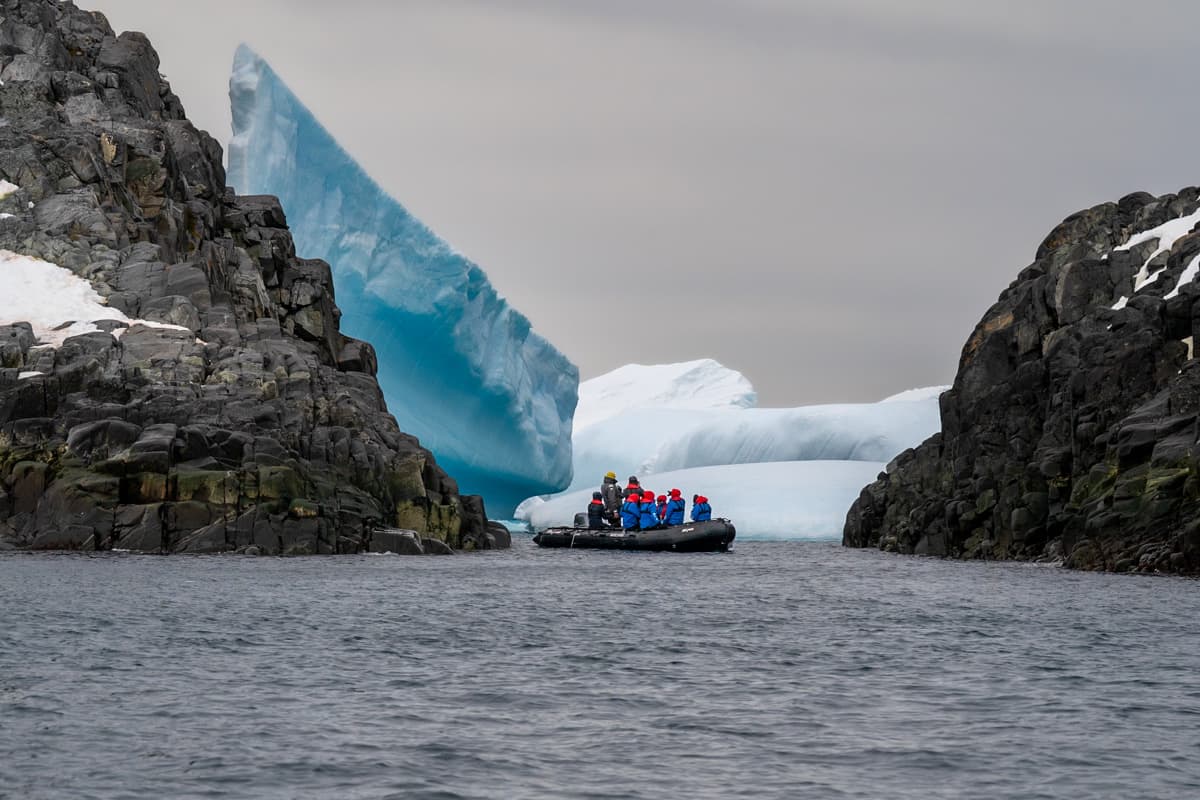

Tips for Choosing an Antarctica Cruise
1. Come up with a budget that you’re comfortable with (and stick to it!)
This is probably a “no duh” suggestion, but there’s actually a lot more nuance to it than that.
As I’m sure you’ve noticed, pricing for Antarctica cruises is all over the map, ranging from last-minute deals for $5,000, ranging up to over $35,000 per person for an ultra-luxury cruise. I’m definitely a frugal person in most aspects of my life, but, in my opinion, an Antarctica cruise is not a place to skimp.
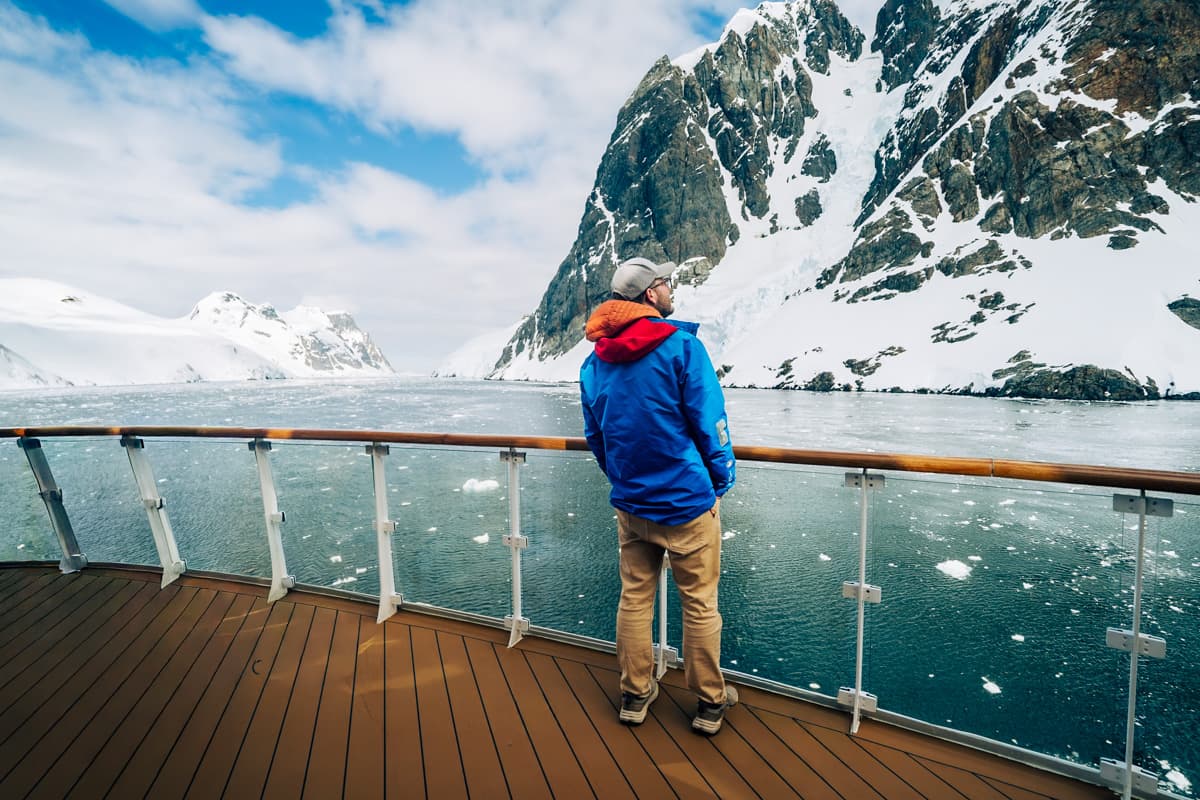
Unless you’re snagging an extremely discounted rate (which can happen when a cruise company is trying to fill cabins at the last minute), these cruises are—and actually should be—extremely pricy, due to Antarctica’s remoteness, the specialized vessel and crew necessary for this kind of expedition, and how long you’re on the ship (it can take up to three days to just get to Antarctica!).
If you find a cruise fare that seems too good to be true, I’d really recommend diving into reviews for that company and erring on the side of caution with booking with them.
Cheap cruise fares may be due to large ships (meaning you won’t be able to actually land on Antarctica—more on that below!); inexperienced captains or staff, which may result in you not being able to get off your ship; or unfairly paid crew. We’ve even heard rumors of a so-called luxury cruise company that was withholding food from its crew, due to not having sufficient provisions for both them and the guests.
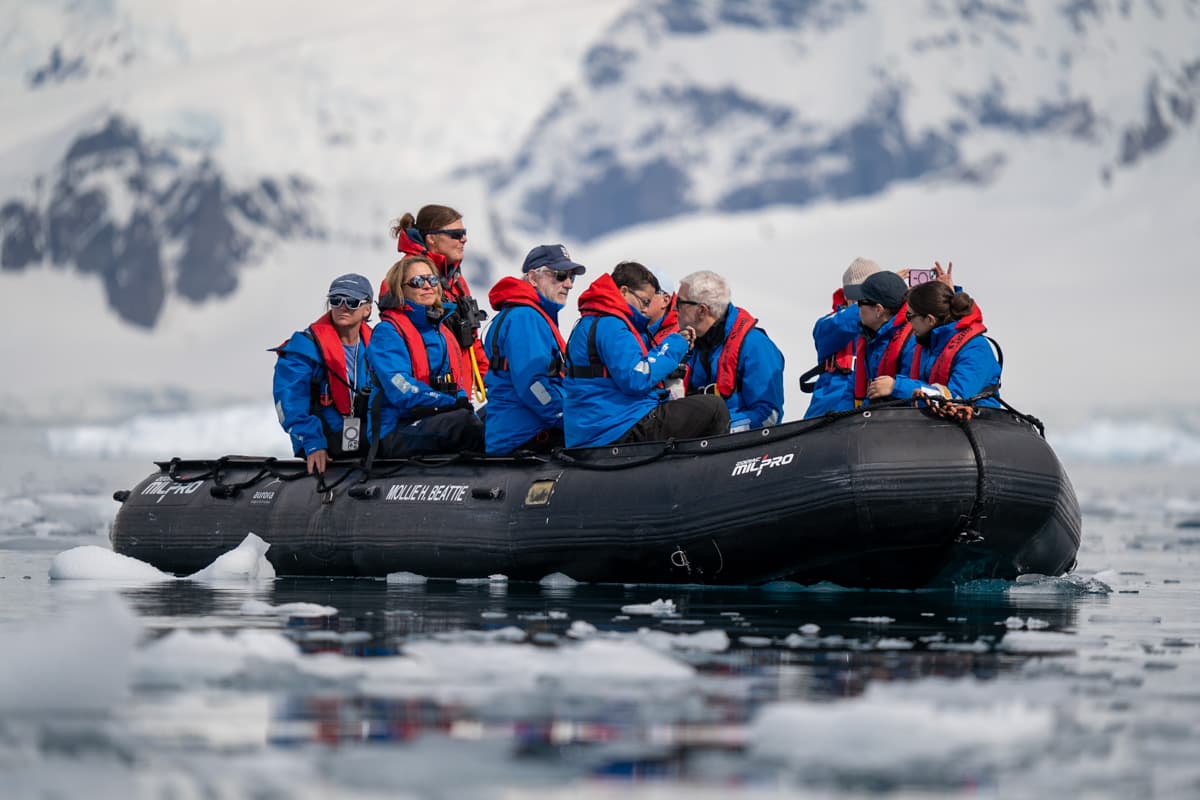
With all that in mind, I’d recommend figuring out a budget that you’re comfortable with, finding a cruise company that offers fares in that range, and not being too terribly distracted by cruise lines that offer cheaper pricing.
I’ve been on several expedition cruises with a wide range of operators to some of the most remote corners of the planet and, in my experience, you ABSOLUTELY get what you pay for. I have always regretted it when we’ve opted for a price that seems like a steal.
With that said, be sure your budget also accounts for everything you’ll need to go on your Antarctica cruise—airfare to Argentina or Chile, accommodations and food the night before and after, gear, visas, required gratuities, etc. All those extras can really add up!
2. Go on the smallest ship in your budget
It’s easy to get lured away by fancy deck plans and after dinner shows, but how many passengers your ship has may have the single largest impact on your Antarctica cruise experience.
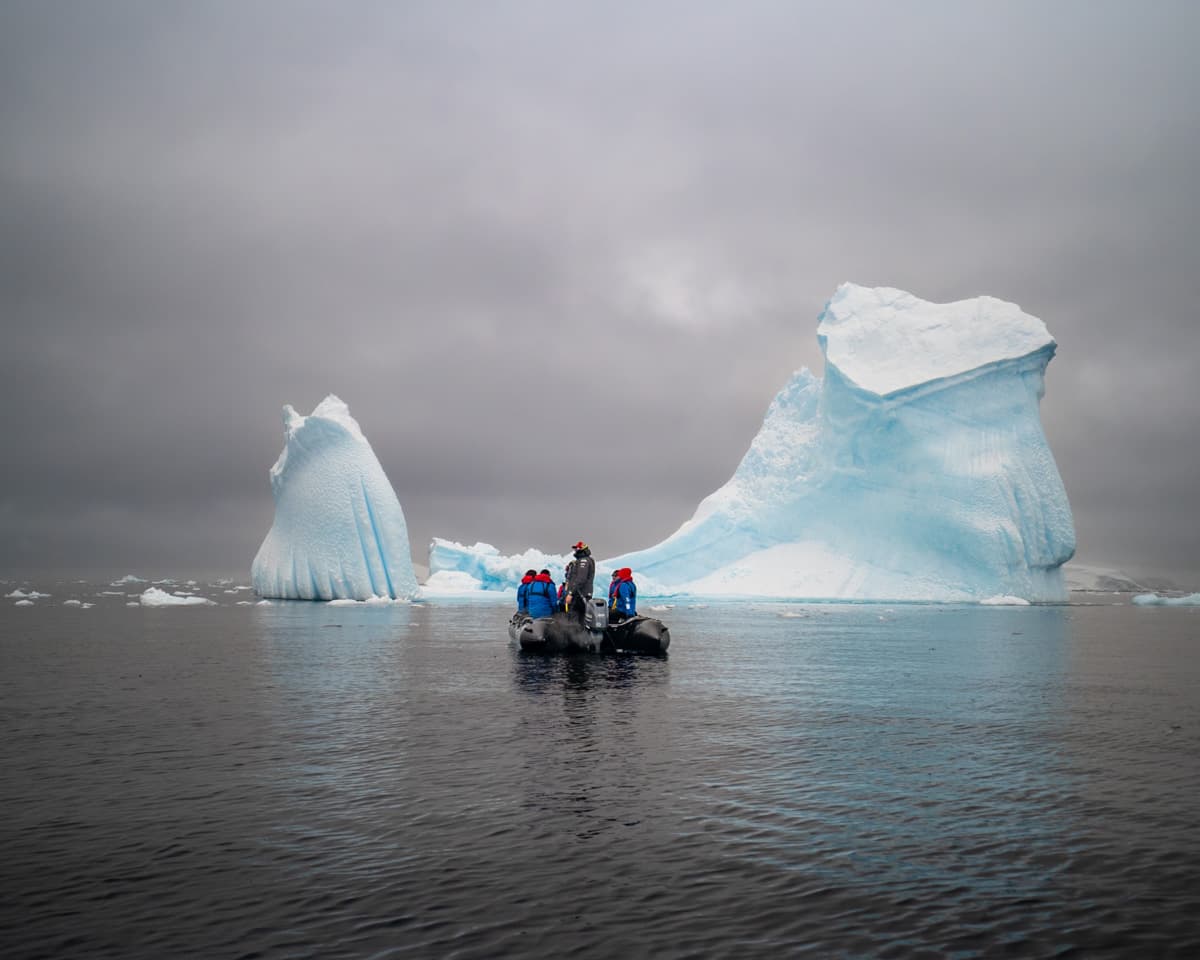
Due to requirements set forth by the International Association of Antarctic Tour Operators (IAATO), there are several requirements that companies must follow regarding getting off the ship:
- Only 100 passengers can land at any given time.
- Ships with between 200 and 500 passengers can only land once a day.
- Any ship with more than 500 passengers cannot disembark at all (either on land or by Zodiac boat).
Therefore, the ideal circumstance is to choosing an Antarctica cruise where there’s 100 passengers or less. This obviously comes at a higher pricepoint, but, in my experience, it’s 100% worth it.
Typically, ships with less than 200 passengers will attempt to land or have a Zodiac cruise to take in the scenery or spot wildlife once in the morning and once in the afternoon, for around two to three hours total.
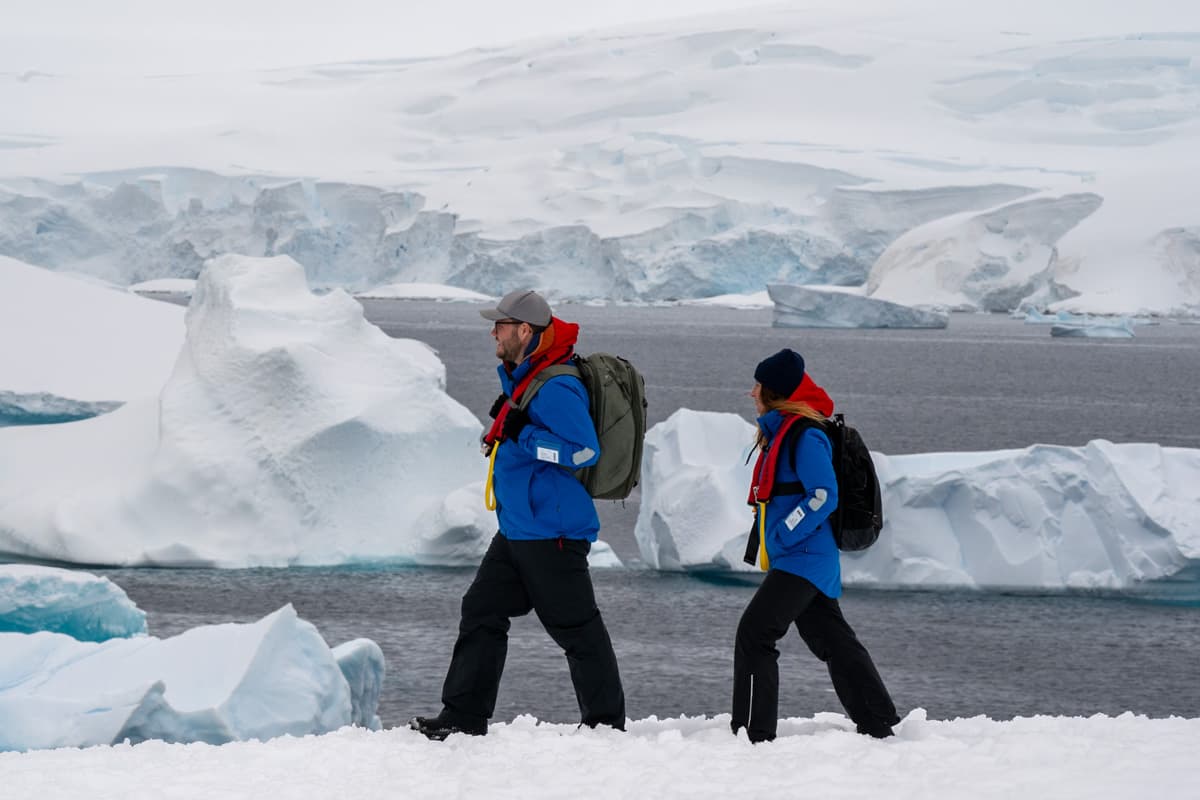
If you’re on a ship with 100 passengers or less, you’ll get to enjoy those excursions for the entirety of the allotted time. If you’re on a larger ship (from 101 to 200 passengers), your operator will have to break up the passengers into groups and have you go out for only a portion of the excursion so everyone gets a turn.
We’ve been on a larger expedition cruise where this kind of staggered excursion ultimately meant we actually only had about 45 minutes to be off the ship on any given excursion. This really isn’t enough time to enjoy yourself and makes the experience feel not worth it, especially at such a high price point.
You’ll obviously get even less time off the ship if your ship has over 200 passengers and is limited to just doing one excursion per day.
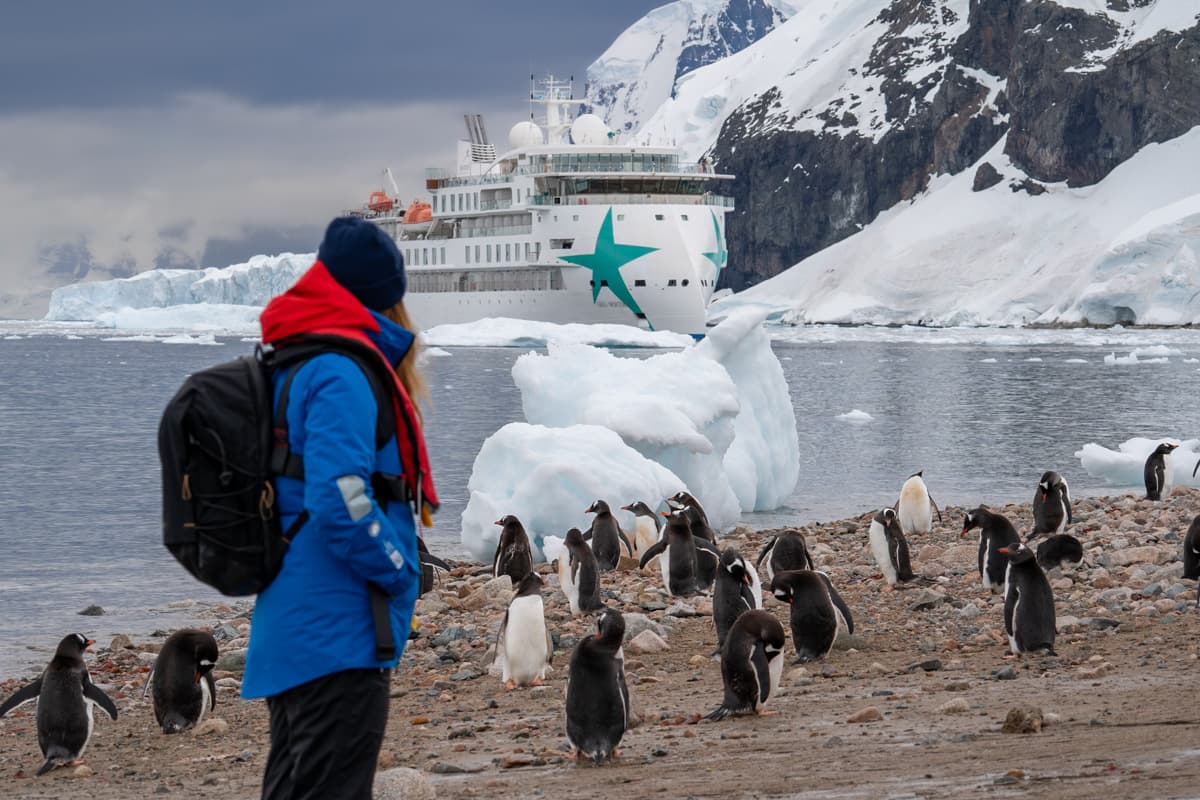
Going on a 500+ passenger cruise ship, like those offered by Holland America, is absolutely an option and still allows you to see Antarctica’s landscape and some of its wildlife, like whales, from onboard your ship, at a lower price point.
But, in my opinion, if you’re investing the time and money it takes to get to Antarctica, you might as well save up to actually get off your ship and see this stunning place up close and personal.
3. Figure out whether luxury, adventure, or a mix of both are important to you
Antarctica cruises are different from pretty much any other cruise you may have taken. There’s generally no Broadway productions, onboard casinos, or waterparks. The closest thing you may get to entertainment is a trivia night or an errant player tinkling on the piano after dinner.
And, despite lacking the bells and whistles that are expected of most cruises, you’ll actually spend the vast majority of time on the ship. As mentioned above, you’ll usually be offboard, at most, six hours per day, with all of the rest of your time, including a minimum of four days to cross the infamous Drake Passage, being onboard.
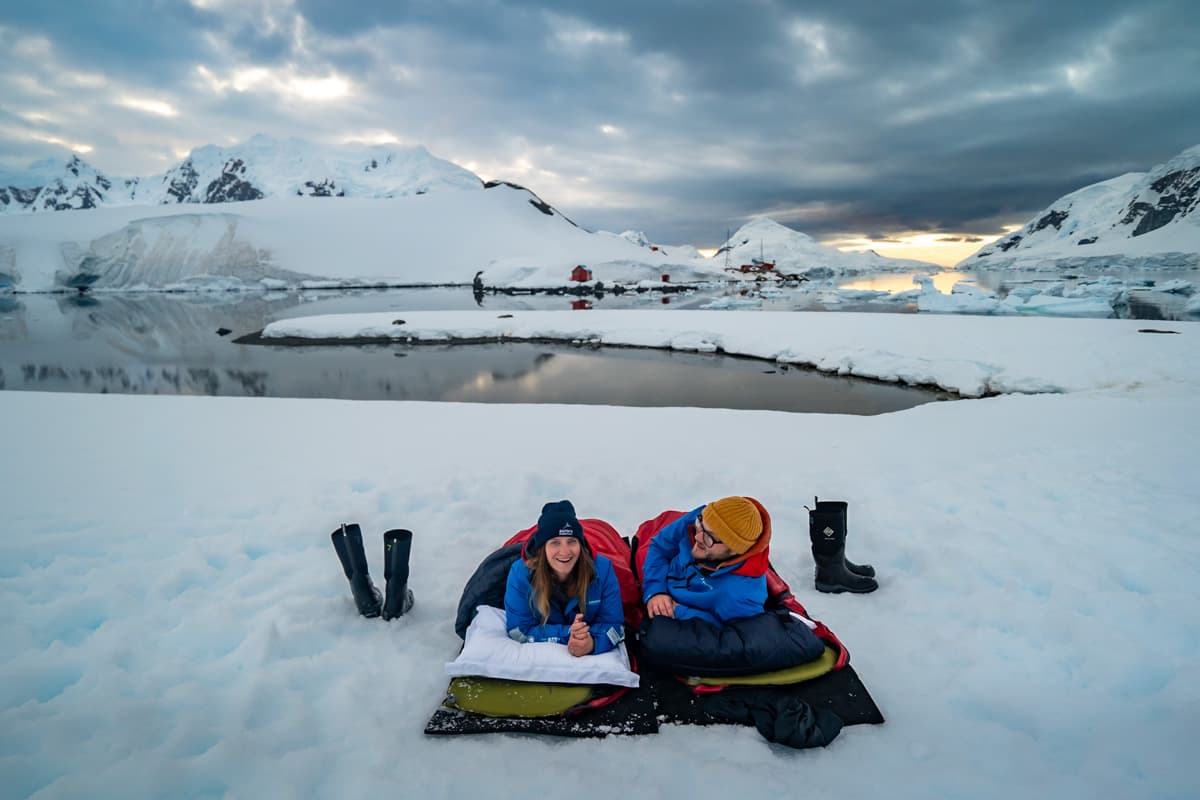
So, it’s worth interrogating what you’re most looking forward to during your trip. Do you care the most about getting off the ship to see wildlife? Are you prioritizing wanting to relax, have some great food, and hopefully see some penguins? Are you someone who values and is willing to pay for a premium experience, complete with butler service, and care a bit less about whether you get to go camping out on the ice?
Since we cared the most about maximizing our time and adventures off the ship in Antarctica (and less about enjoying caviar and champagne on the deck), we chose to go on an Aurora Expeditions cruise, due to their reputation for being laser-focused on adventure, education and sustainability.
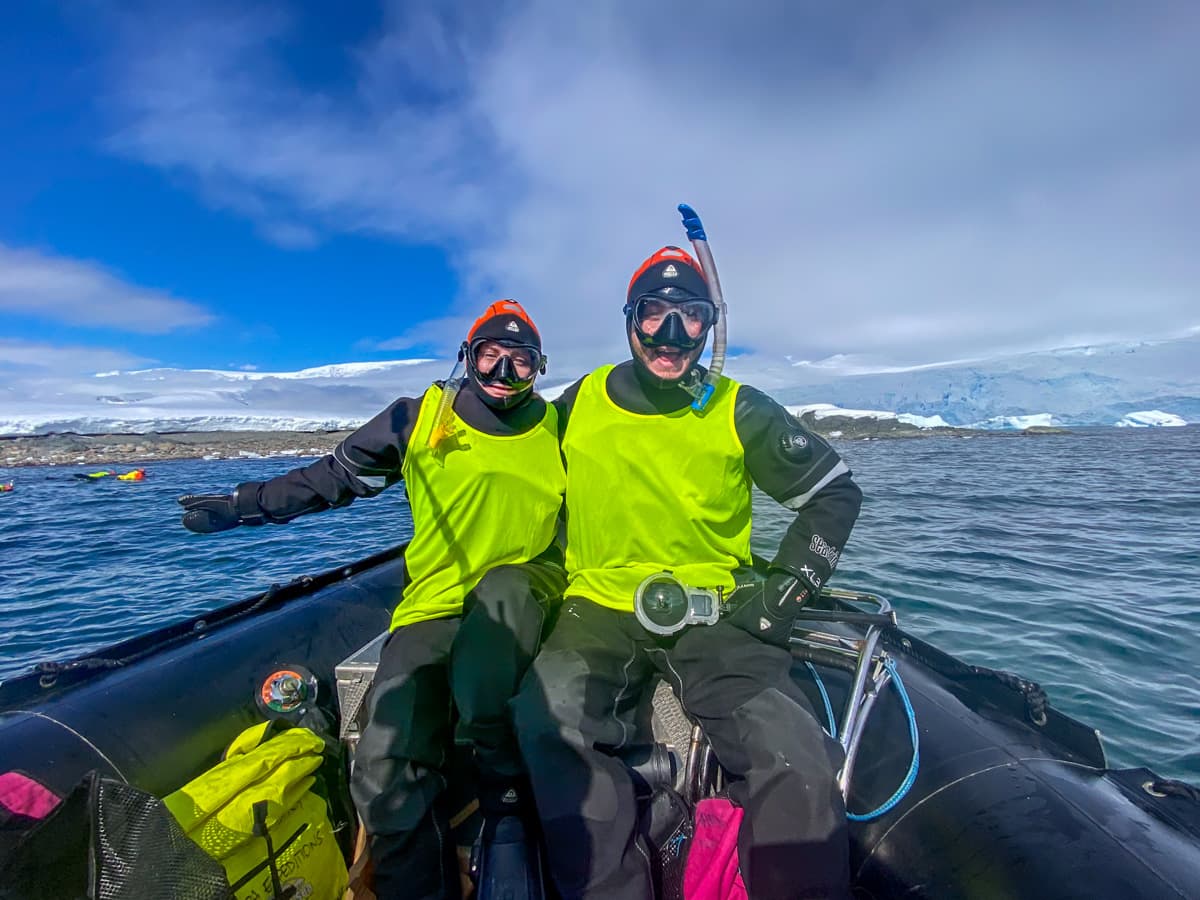
We sincerely had the time on our lives with Aurora (and have had a couple other out-of-this world experiences with them!), thanks to their onboard educational lectures, a variety of really cool offboard experiences (snorkeling! camping! snowshoeing!), and highly specialized polar expedition guides. And, while Aurora itself shies away from being called a luxury cruise operator (for example, house beer and wine are only complimentary at dinner), we were MORE than comfortable aboard our ship, thanks to the spacious rooms, sauna, and infinity hot tubs.
For an experience that’s more focused on luxury, consider Scenic Cruises, an Australian company that sails to Antarctica on an ultra modern yacht that the company describes as offering “six star ultra luxury”. For example, each cabin gets personalized butler service, plus the ship comes with up to 10 “dining experiences” and 8 bars and lounges.
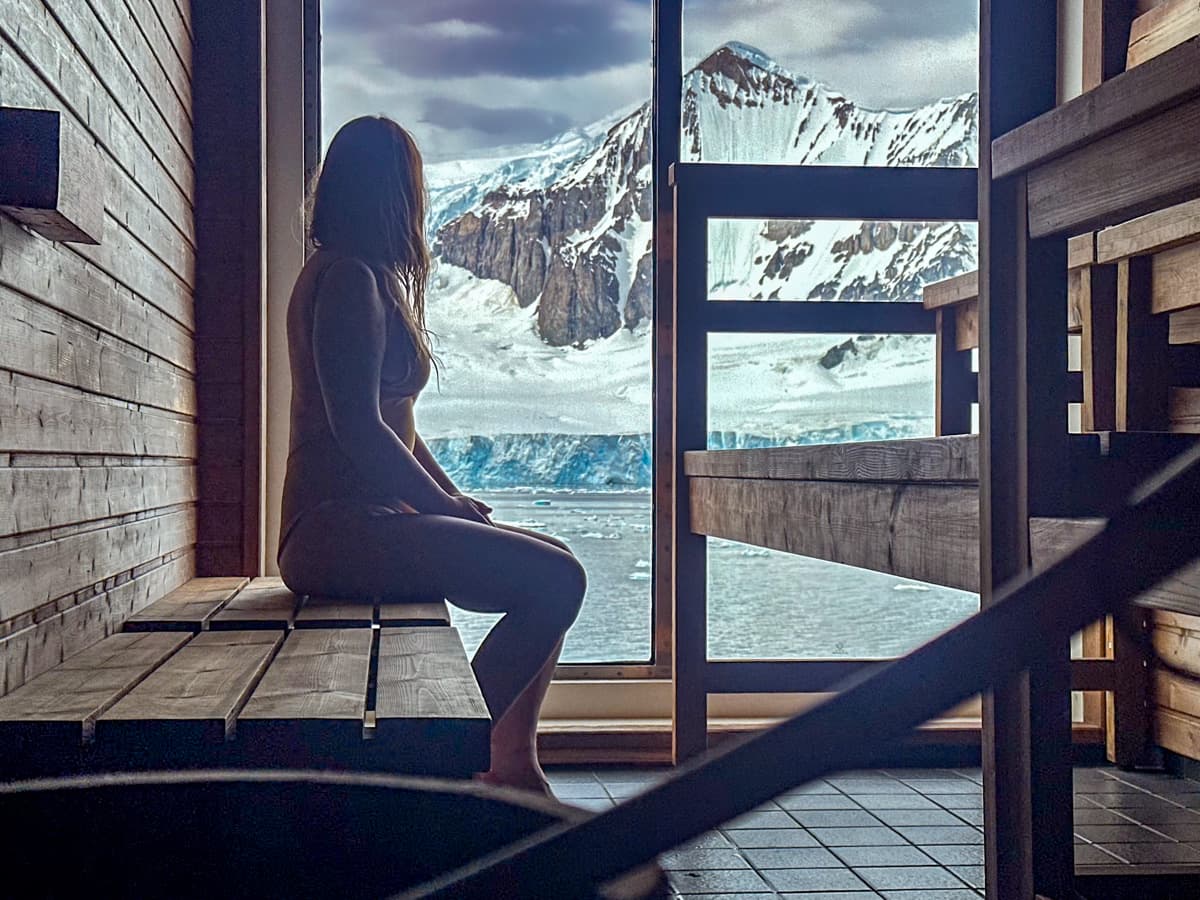
There are ABSOLUTELY adventurous aspects of Scenic’s cruises (they have a helicopter, submarine, AND stand-up paddleboarding for passengers), but, from speaking with some expedition guides who have worked with the company before, your standard Scenic passenger is going to be a little less focused on polar plunging and a bit more interested in indulging in your finest bottle of whiskey.
If you’re looking for a mix of luxury and adventure, I’d suggest checking out an Antarctica cruise offered by Swan Hellenic.
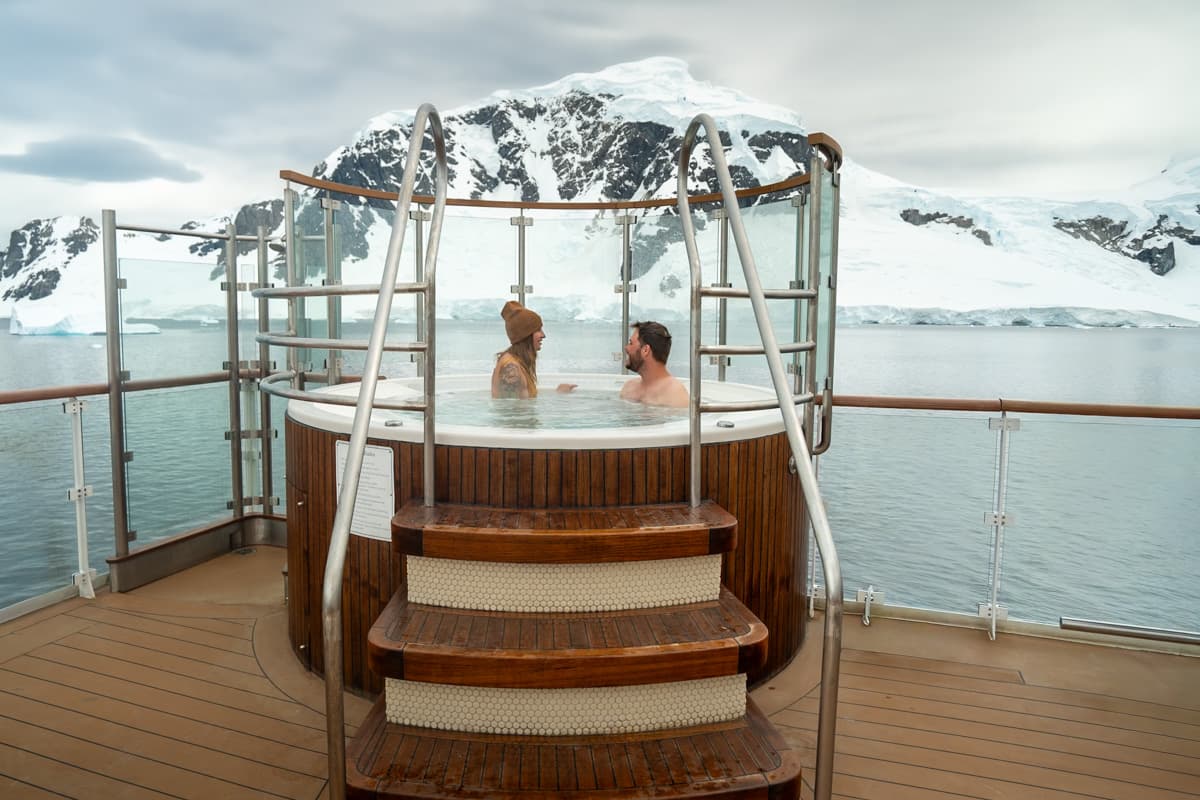
All of their ships have under 200 passengers (which you know we’re all about!), plus they offer educational talks from polar experts and adventurous activities, like kayaking, citizen science, snowshoeing, and, of course, the polar plunge. Still, you’ll find tons of upscale aspects to their onboard experience, like fine dining restaurants, hot tubs, and onboard massage therapists.
I’ve had two separate friends take Antarctica expeditions with them, both of whom came back with rave reviews!
4. Figure out what kinds of activities you want to do in Antarctica
This kind of goes hand-in-hand with the tip above, but one very easy way to narrow down cruise operators is to determine what kind of unique offboard activities, like paddleboarding, kayaking, camping, snorkeling, or snowshoeing, that you’re interested in doing.
Most of these activities are only offered by a handful of operators, making it easy to eliminate sailings that don’t include whatever you’re interested in.

For example, we REALLY wanted to go camping in Antarctica, where you basically take a special sleeping bag with you out on the ice and sleep directly under the stars (or, in our case, the Midnight Sun!). There are only a handful of operators that offer this service as an add-on, like Aurora, HX, Quark Expeditions, and Oceanwide.
Or, if going on a submarine is super important to you, there are even less operators that offer that—Scenic, Viking, and Seabourn.
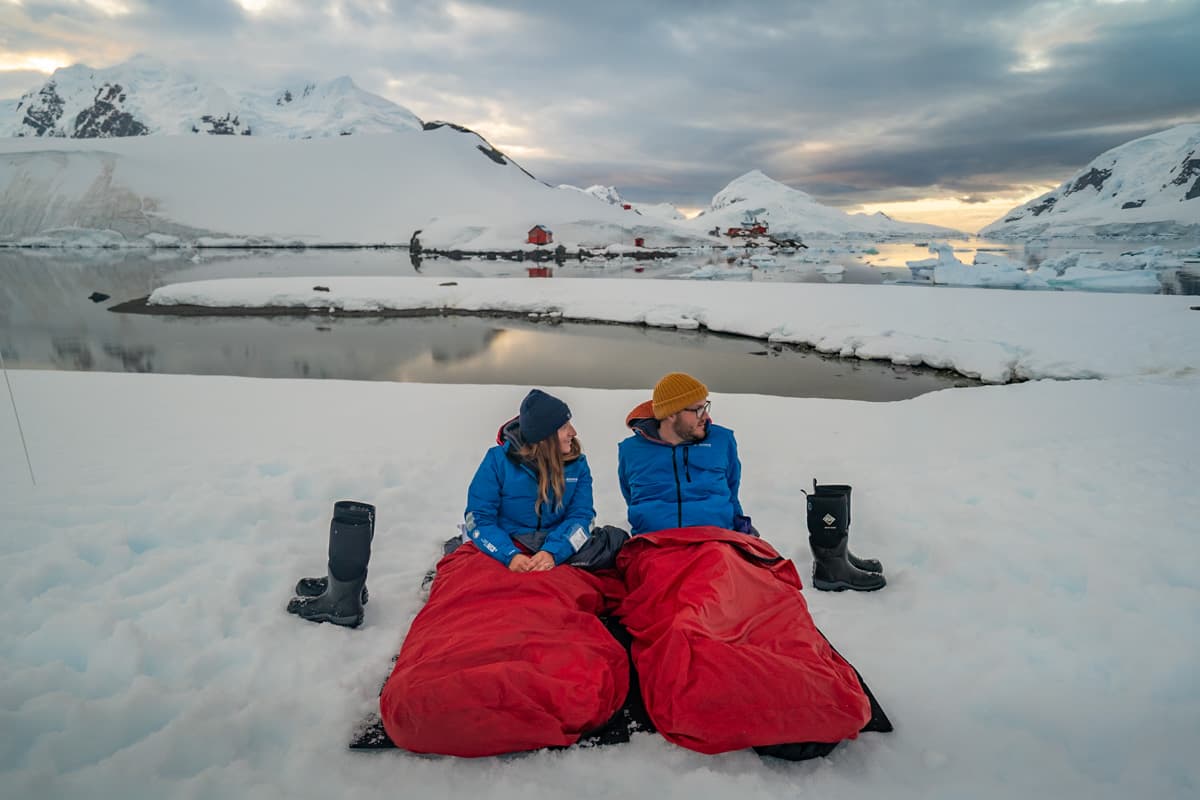
It’s worth noting that most of these excursions typically cost extra, so be sure to factor those prices into your overall budget!
5. Go on the longest itinerary in your budget
The only thing predictable about Antarctica is how unpredictable the weather is, from dense ice fields and katabatic winds to heavy snowfall and large waves.
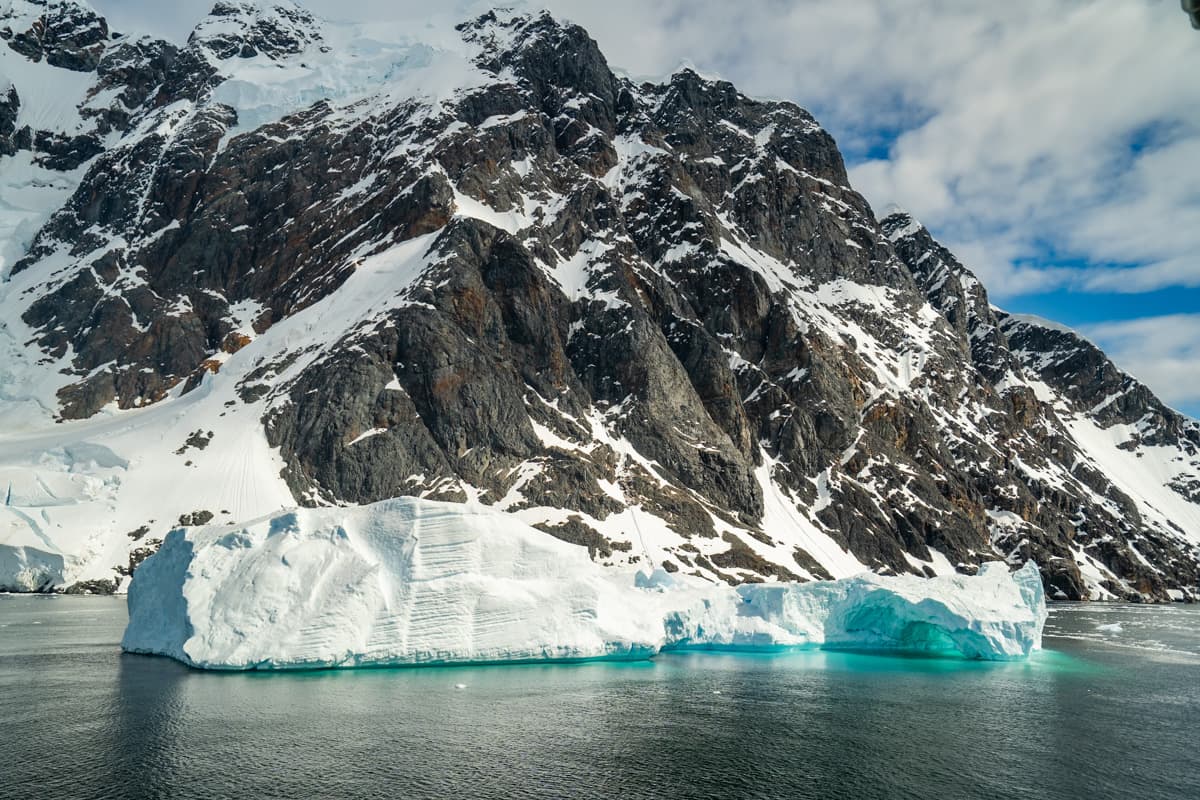
Your captain and expedition leader will work together to come up with a plan to avoid any inclement weather as best as possible, but navigating around Antarctica can be tough. Ships are required to move slowly, due to the presence of whales, and the distances between ports can be quite long—so itinerary changes due to weather can have a HUGE impact on your experience.
All that is to say, I’d definitely recommend booking as long of a trip as you possibly can in Antarctica. For example, f you book an itinerary that only offers three days in the Peninsula and the weather happens to not cooperate on even one day, it can cause a domino effect, which can really negatively impact your entire time there.
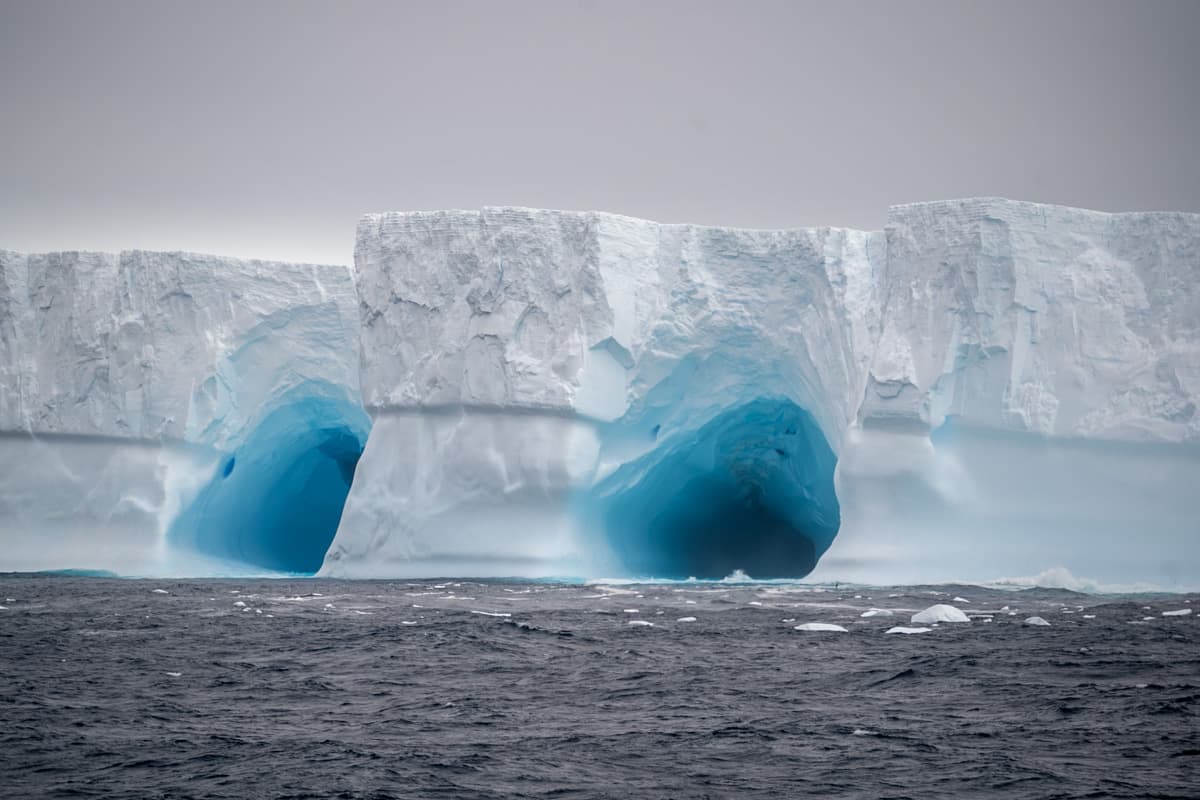
On our itinerary, we got a glorious seven full days to explore the islands north of Antarctica, plus the continent itself. We got incredibly lucky with the weather (plus had an excellent expedition guide and captain!) and only had one missed excursion, due to an unexpectedly large ice field.
However, it would have been just as easy to miss half (or more!) of our excursions, depending on whether the weather cooperates and the skillfulness of your captain and expedition leader.
6. Side eye any company or travel advisor that suggests an exact itinerary
Part of the reason that I was so overwhelmed when I first started planning our Antarctica cruise was coming across a ton of forums of people discussing different stops they wanted included in their itineraries, like Neko Harbor, Port Lockroy, and Half Moon Bay. So, not only did I have to figure out what cruise operator I wanted to go with, but I also had to figure out which stops I wanted to go to and then cross-match those with itineraries?!
But, after having several expedition cruises under my belt now, I know that’s COMPLETE and utter nonsense.
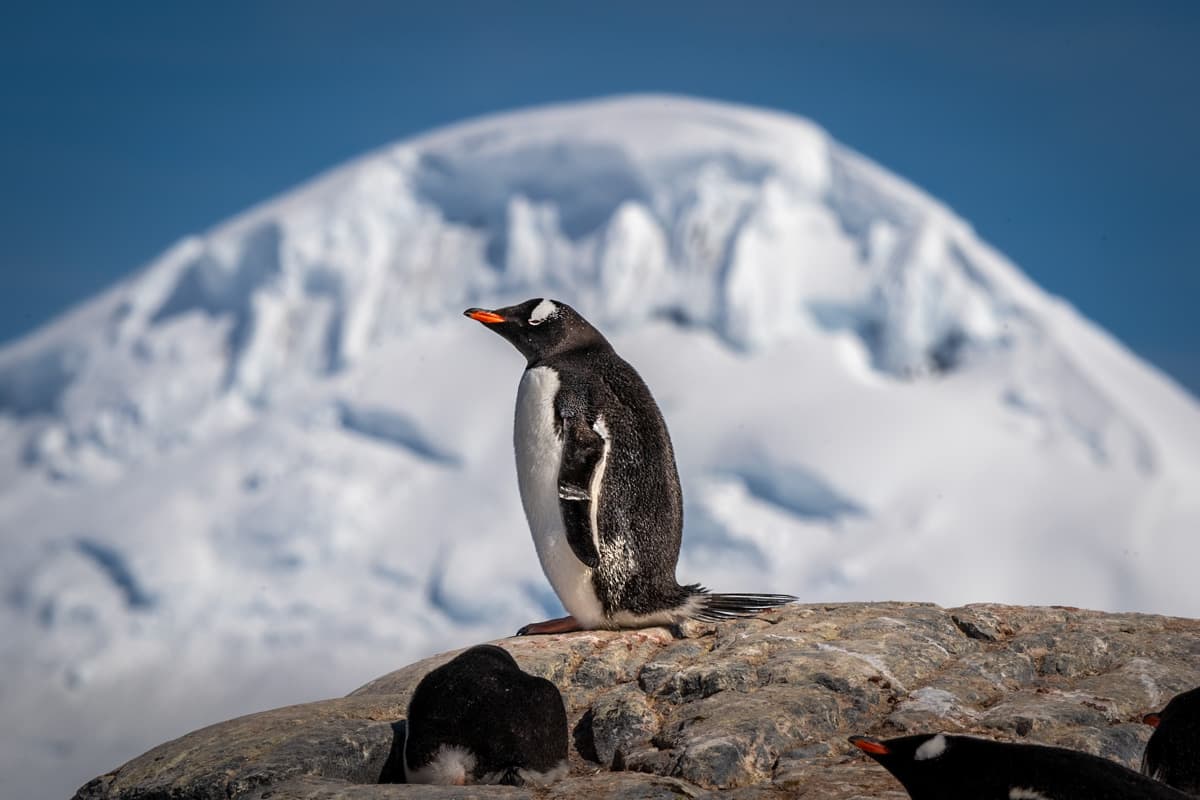
By its nature, an expedition cruise does not have a defined itinerary—the ship goes where the captain and expedition leader determine will offer the guests the best experience for that particular day. From poking around the internet, I can’t even find cruise operators that offer a set itinerary for an Antarctica cruise.
So, with that in mind, don’t get too set on where you want to go or which operators typically stop at a particular port you’re interested in. There really are no guarantees that you’ll make it there and there are WAY more important aspects of Antarctica cruises (like price, duration, and luxuriousness) that are worth worrying about.
7. Be realistic about your own fitness level
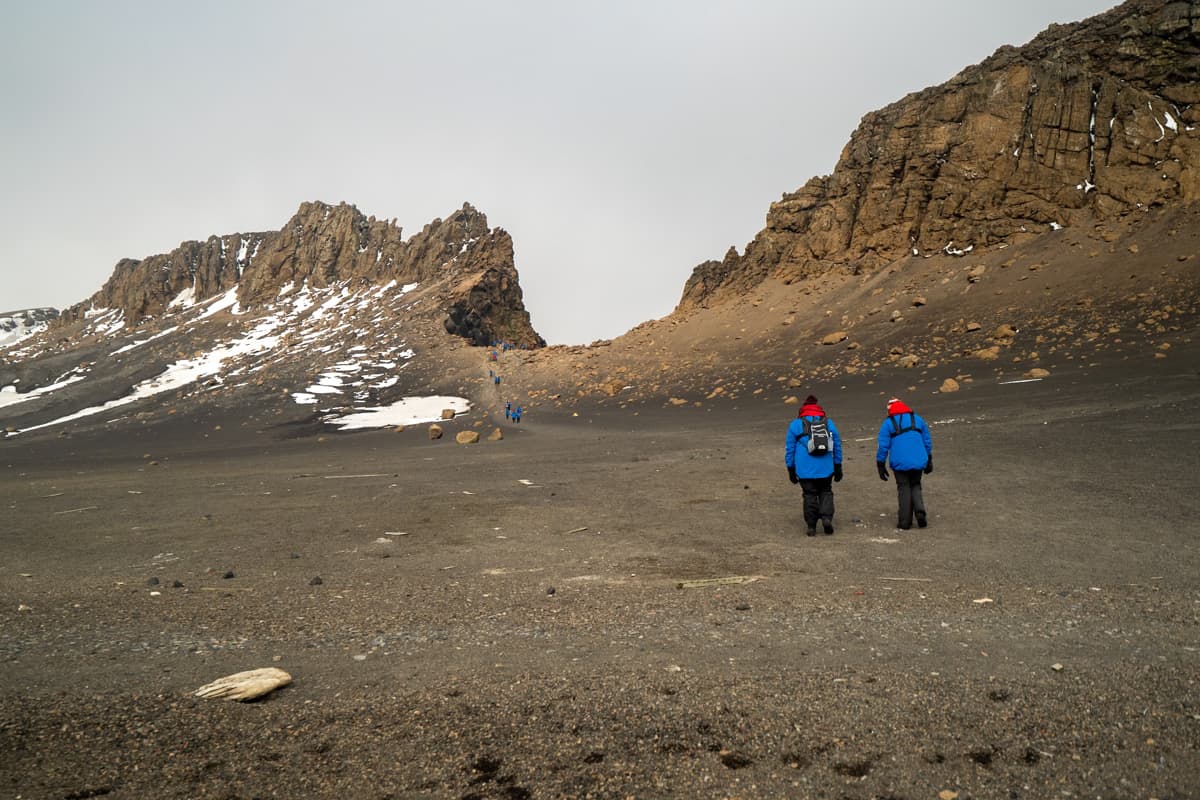
You absolutely don’t have to be an Olympian to do an Antarctica expedition cruise, but you do have to have a baseline level of fitness to participate in the activities. For example, you have to be able to get in and out of Zodiac ships (sometimes, while being hit with unpredictable waves on rocky surfaces); sit on the side of a bouncing Zodiac boat, which hurts even my relatively youthful back; and walk on uneven and icy terrain.
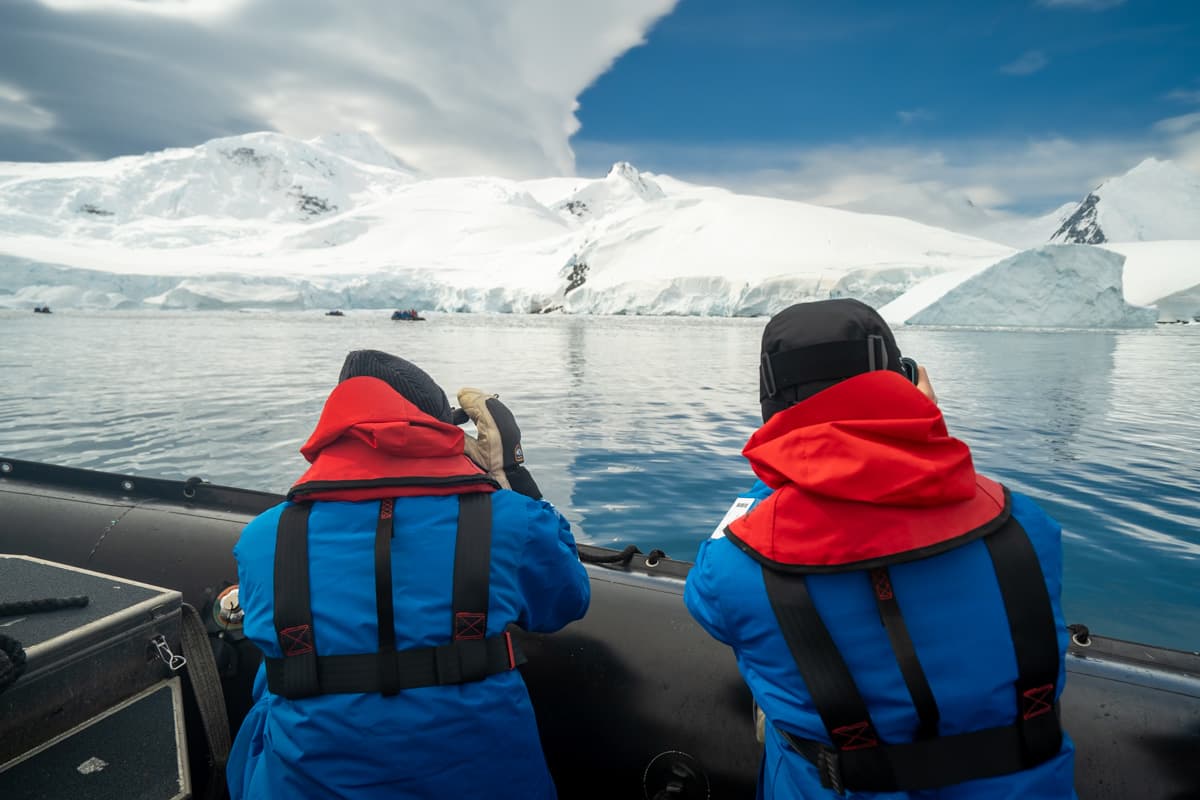
We met one gentleman with mobility issues on one of the cheaper expedition cruises we tried, who felt like he had been totally misled about how physical the cruise was going to be and the kind of accommodation the operator could provide.
Because of the physicality required by a lot of the activities, he ultimately had to opt out of participating in most of the excursions. This gentlemen had saved up several years to go on this cruise and felt extremely disappointed in how much his mobility challenges, which he allegedly told the cruise company about, had limited his experiences on the ship.
There also are extremely limited medical resources while you’re in Antarctica. If you or anyone else on your ship experiences a medical emergency while you’re out at sea, your whole ship will have to turn around to head back to South America and likely miss your entire sailing (this exact thing happened to one of my friends!).
This is not to scare you away from going on an Antarctica cruise, but, if you have any kind of health problems or mobility issues, I’d strongly recommend speaking to your physician and the cruise company to understand how your experience may be impacted and whether it’s safe for you and the other passengers to join.
8. Figure out the month you want to go
Antarctica cruises operate during a pretty narrow window, from late October through late March. Still, your experience will vary pretty significantly based on which month you choose:
October
This is usually one of the cheapest months to visit and the best time to see epic sea ice and Weddell and crabeater seal pups. On the flipside, the heavy ice floes can cause navigational issues, it’s the coldest time to visit, and the whales have generally not migrated south for the austral summer yet.
November
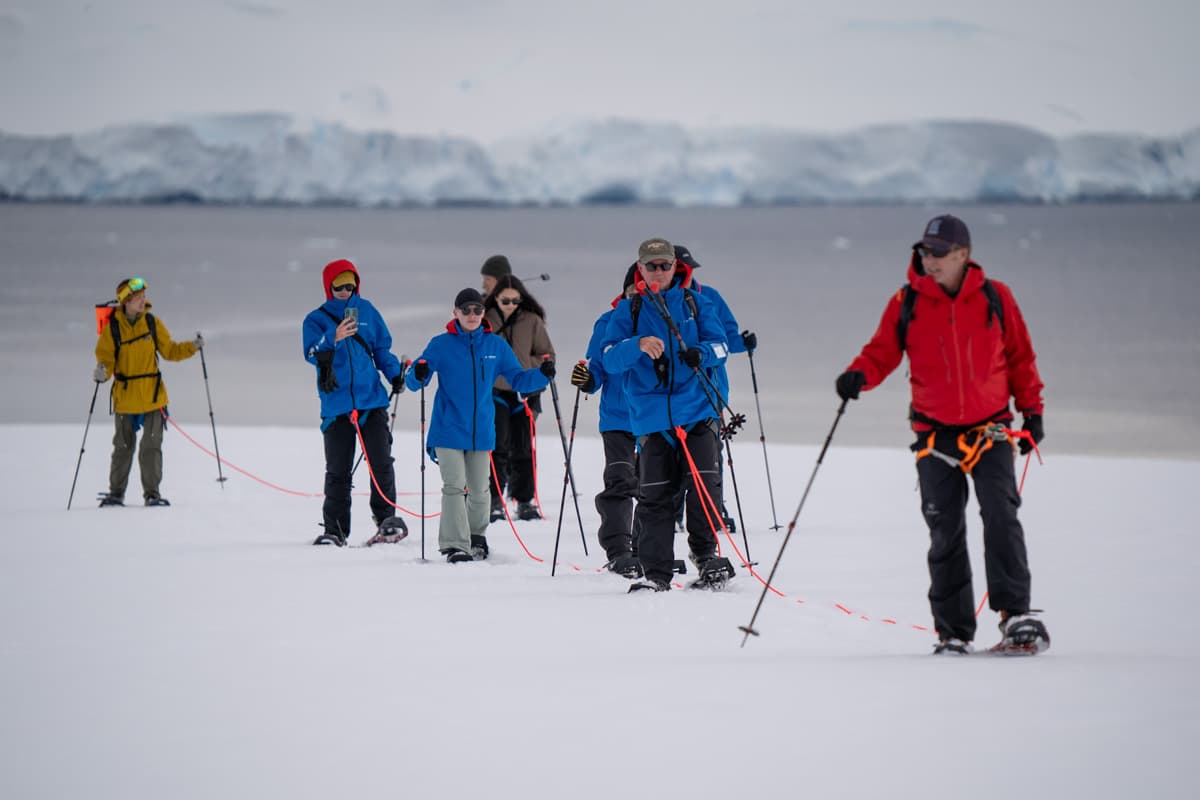
Prices still tend to be cheaper than the busiest months and, with plenty of ice and snow left on the continent, this is the best time to do snow sports, like snowshoeing or skiing. Plus, the daylight stretches for up to 15 hours per day. On the downside, you likely won’t see whales or penguin chicks (they’re still in their eggs at this point!).
December
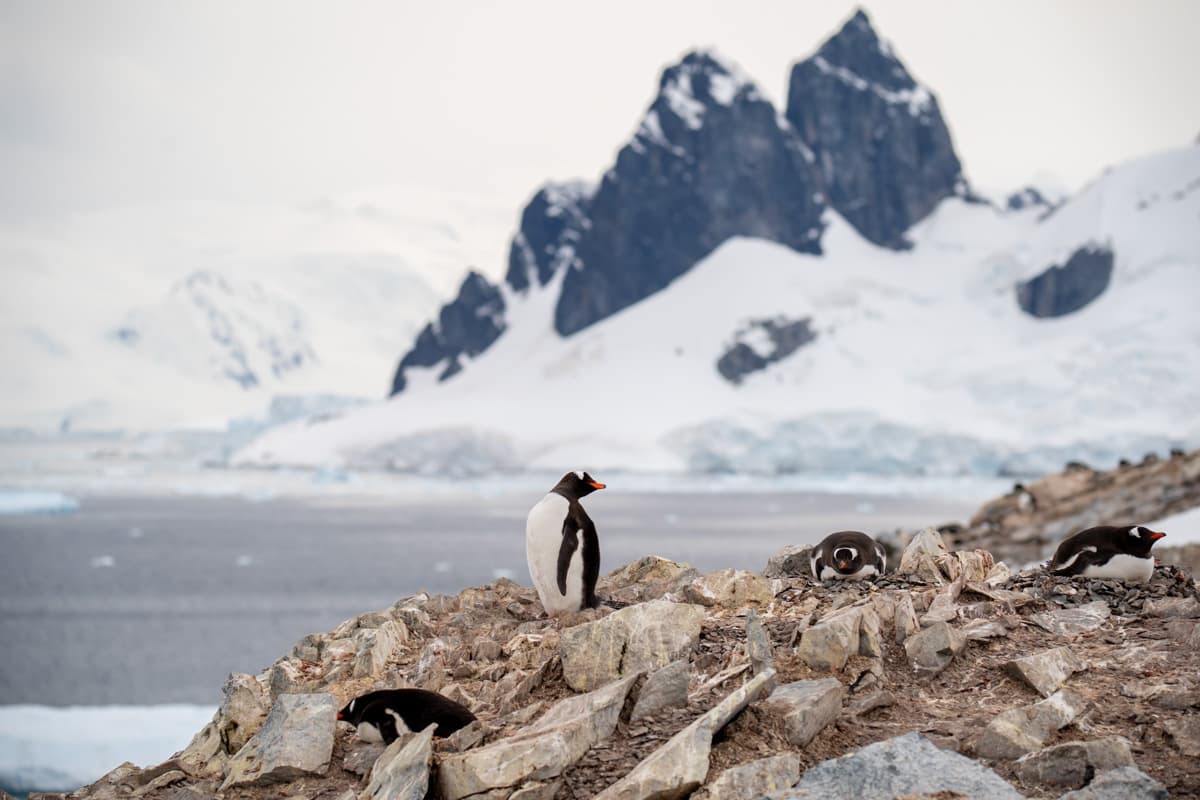
This is when we visited Antarctica and it was GREAT—the days are nice and long; there’s still plenty of snow on the mountains; and penguin chicks begin to dot the rocky shorelines. The only significant downside is that this tends to be the most expensive month, due to the holidays.
January
This is the warmest month in Antarctica, with sea ice rapidly decreasing. While that means there’s less icebergs and snow in general, it also offers more opportunities to navigate south, like to pass the Antarctic Circle. This is also a good time to see penguin chicks and the increasing whales in the Southern Ocean.
February
February is the start of austral fall, with temperatures cooling slightly again. There may be less seabirds, like skuas and terns, around, but you’ll see tons of penguin chicks (and the leopard seals and orcas that are trying to feast on them), plus other species of whales that come to Antarctica to fatten up on krill.
March
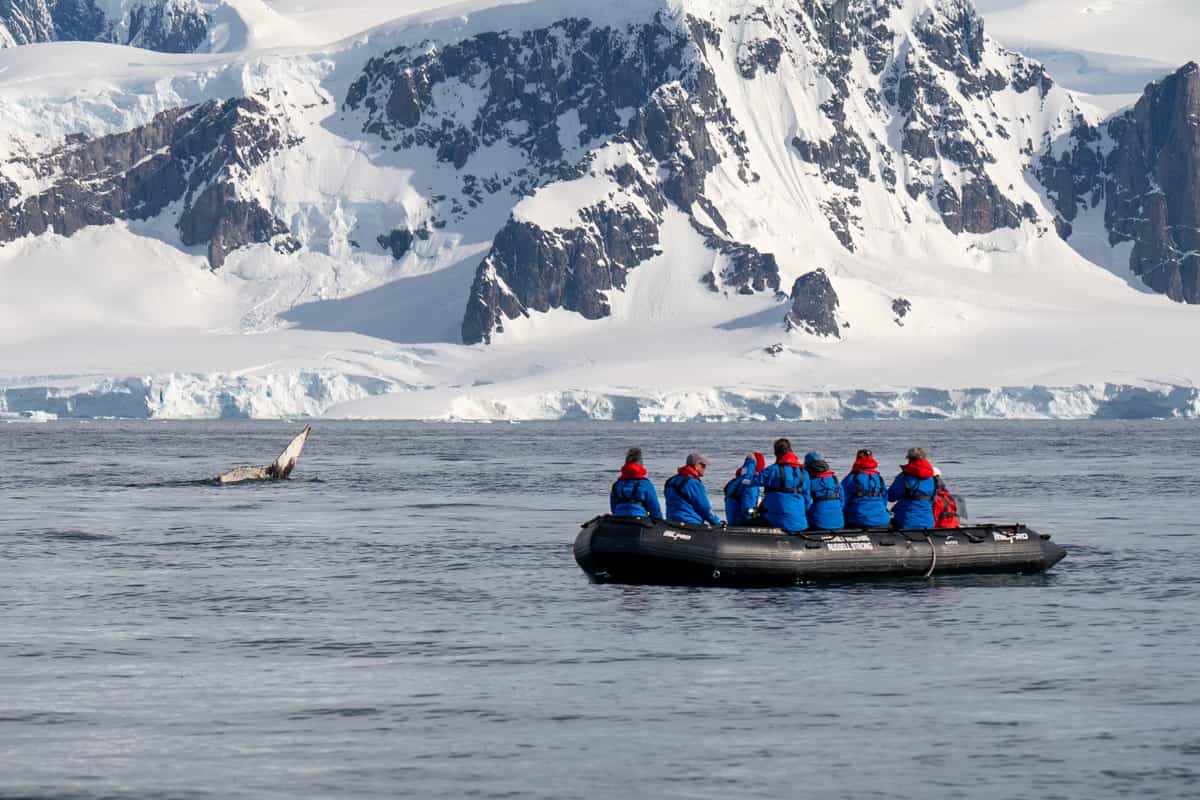
This is the tail end of the Antarctic season, with cheap pricing and the ability to actually see sunset and sunrise here. You won’t see as much snow and ice on the sea or the surrounding mountain slopes, but it’s an excellent time to spot leopard seals and whales, who are still feeding by the thousands in the Southern Ocean.
9. Err on the side of caution with itineraries that include multiple stops
While most Antarctica cruises focus on the Antarctic Peninsula, there are also a wide variety of sailings that stop at other locations in the surrounding area—primarily, the Falkland Islands and South Georgia, although there are a handful of other stops operators sprinkle in, like the Sandwich Islands or even areas of Patagonia.
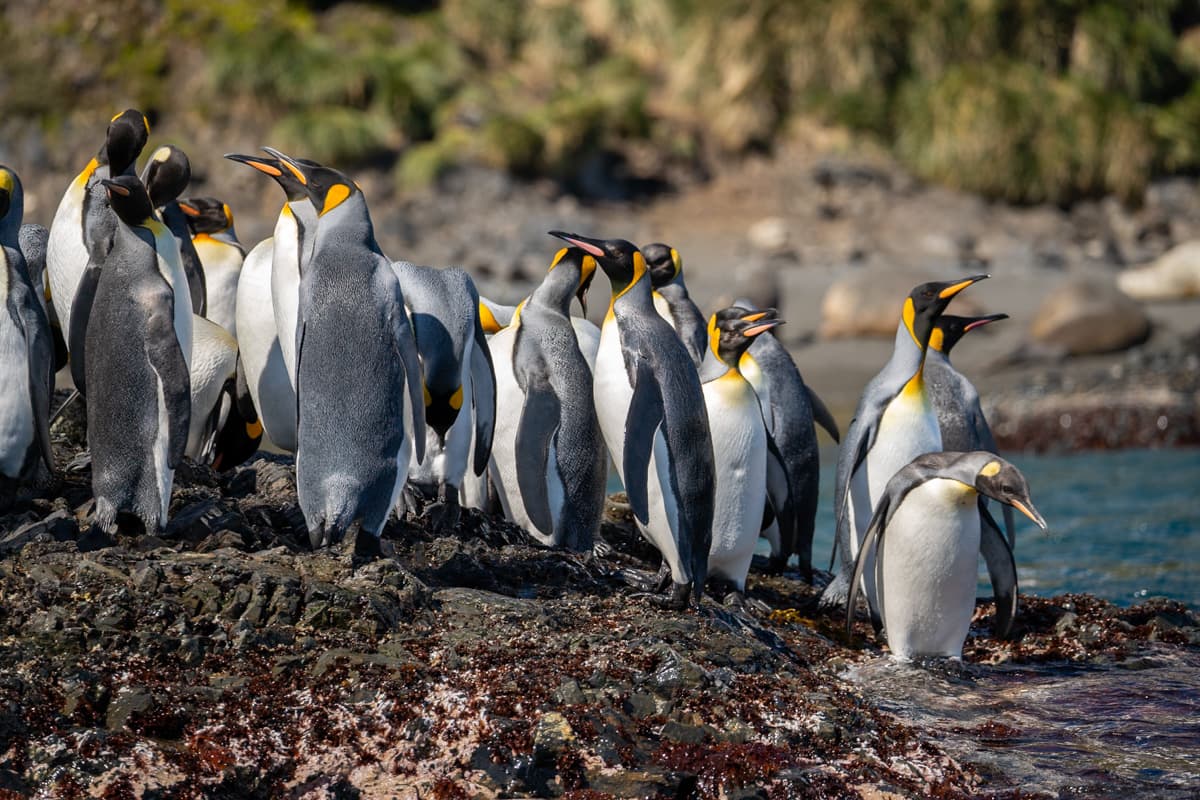
Some of these places are absolutely spectacular. For example, South Georgia is known as the Serengeti of the Southern Ocean, with one of the densest wildlife populations on Earth, including MILLIONS of penguins and fur seals. It’s one of the most beautiful places I’ve ever been.
However, I’d actually recommend exercising some serious caution when considering itineraries that include stops outside of Antarctica.
Why?
These itineraries are typically crammed into 21 or 22 days, with lots of at sea days and usually, only three-ish days at each location along the way.
In many places around the world, three days may be a totally appropriate amount of time to explore, but I REALLY wouldn’t recommend this in Antarctica. As mentioned above, the weather not cooperating, even for just a day, can really throw off your whole schedule and may result in you not having the experience you were anticipating.
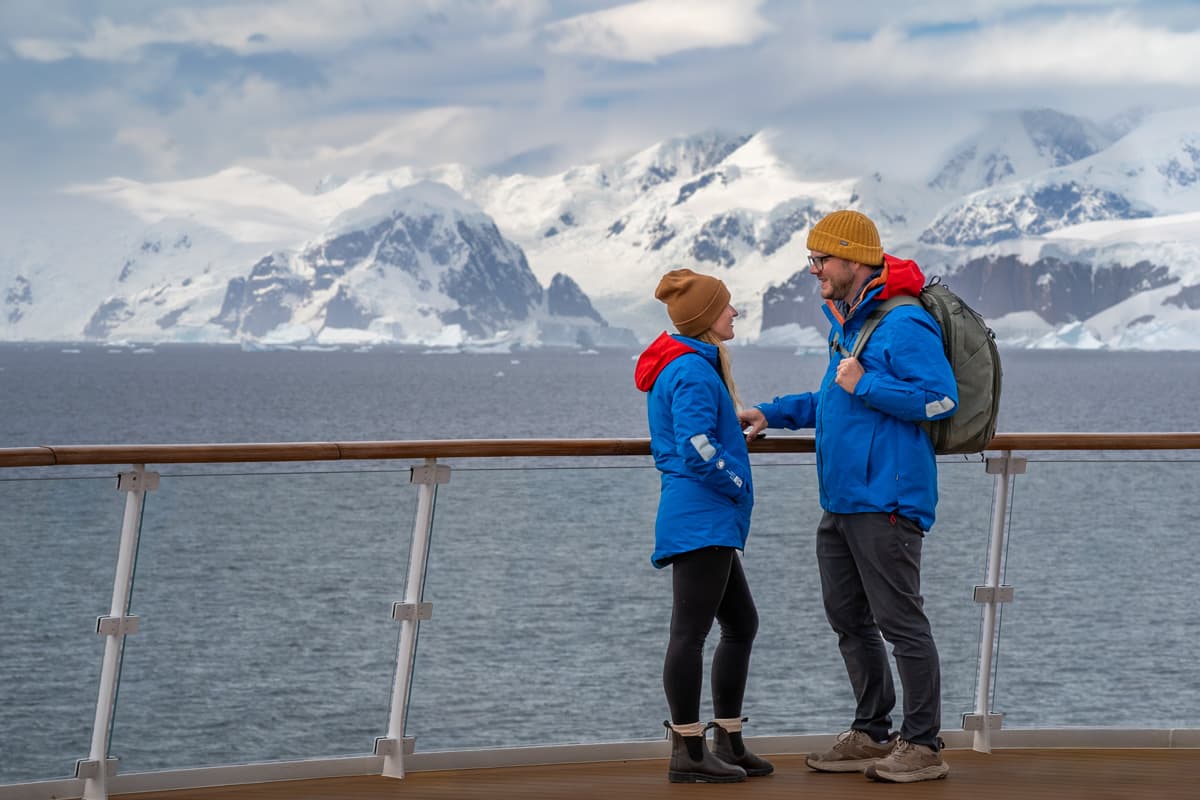
I’d personally recommend going on a strictly Antarctica cruise first, to maximize your chance of having the best experience there possible. Then, on your second time here (I promise you’ll want to go back!), you’ll have a bit more flexibility to visit the surrounding areas of Antarctica, without having too much about having your experience there sullied.
10. If you’re prone to sea sickness, choose an Antarctica cruise that skips the Drake Passage
Until a few years ago, you really only had one option of getting to the Antarctic Peninsula—sailing from Ushuaia, Argentina, across the Drake Passage, for at least two days.
The Drake Passage is a narrow gap between South America and Antarctica that is infamous for its enormous waves, which can reach up to 40 feet high (known by many cruise passengers as the “Drake Shake”).
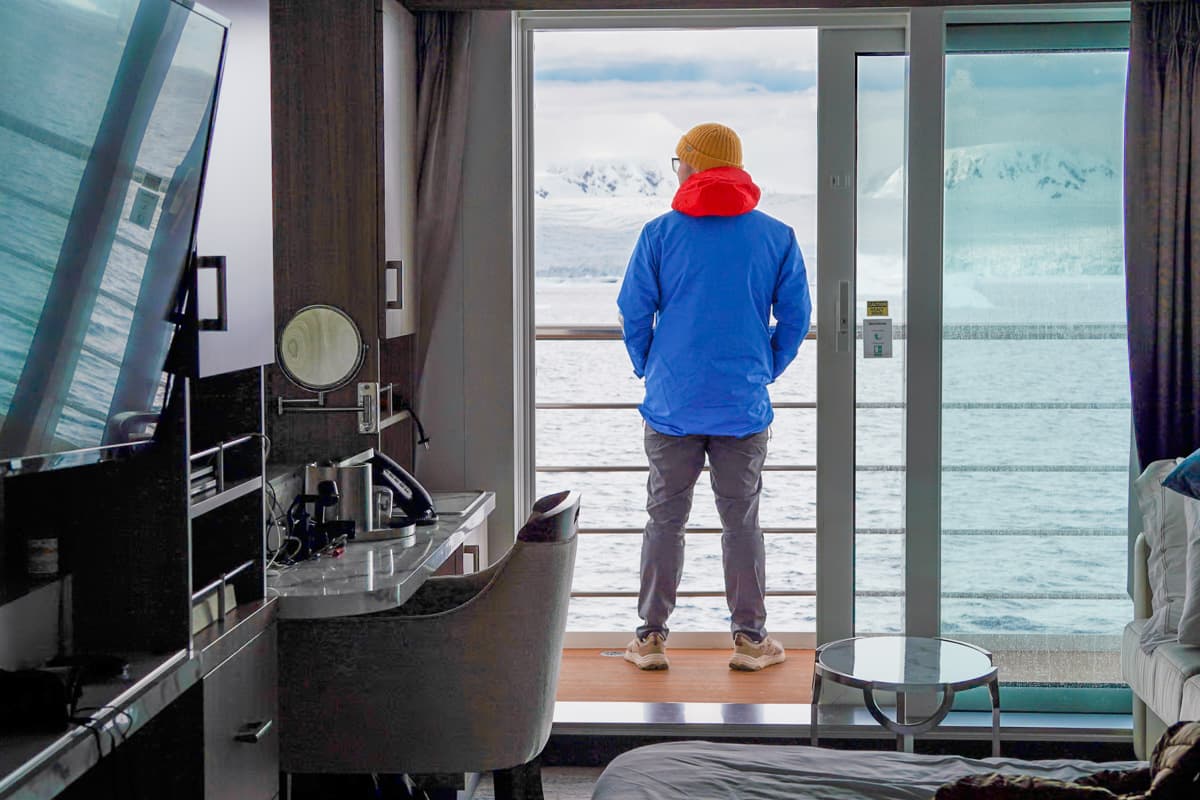
Recently, many operators have started offering “fly and sail” packages so that passengers can skip the Drake Passage, where you fly out of an airport in Patagonia (typically from Punta Arenas, Chile), crossing the Drake Passage by air and landing at a teeny airport in King George Island in Antarctica. From there, you’ll board a ship and have a typical sailing itinerary around Antarctica, before flying back to Patagonia.
I honestly think the Drake Passage fear is slightly overhyped—we’ve crossed it twice and have had pretty calm waters in all four times we’ve crossed it.
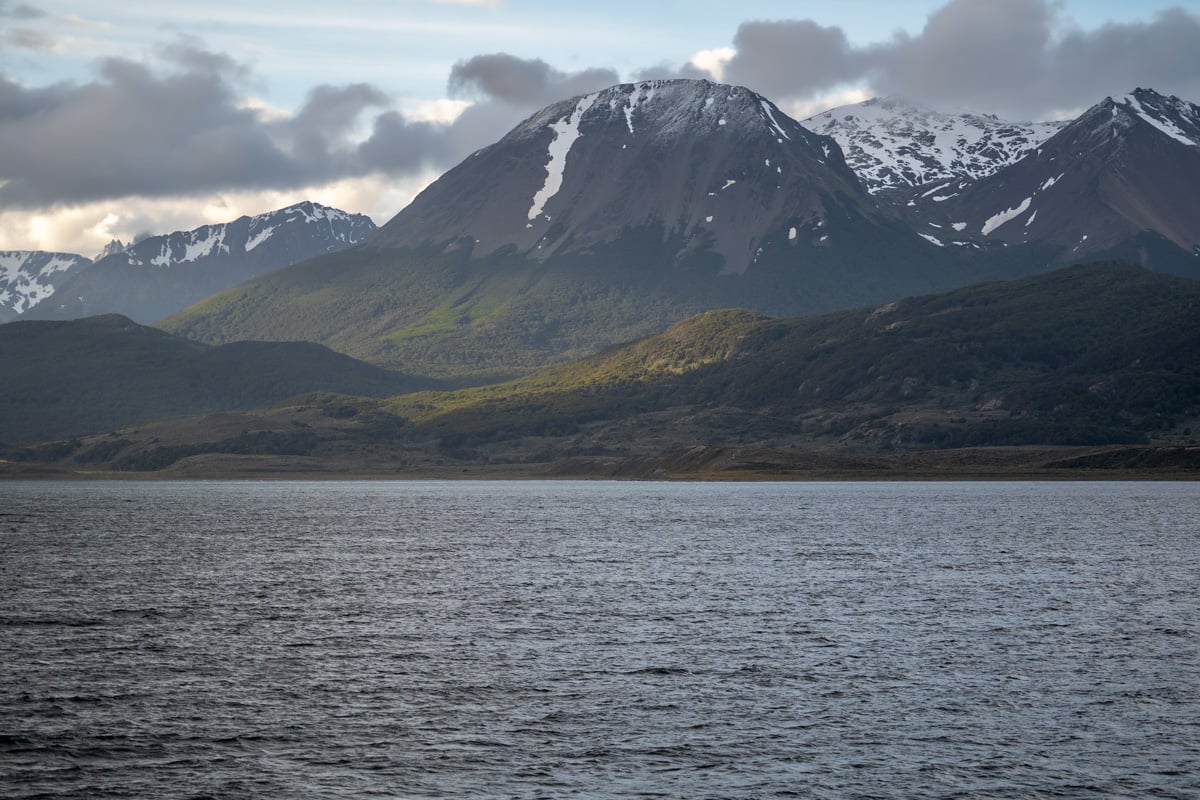
Still, it’s obviously luck of the draw with what kind of weather you get and neither of us are hyper prone to sea sickness, so, if you’re feeling especially nervous about the Drake Passage, I’d definitely consider a fly and sail package.
Hopefully, I’ve given you plenty of food for thought on choosing an Antarctica cruise itinerary. We REALLY struggled with making the decision, but, ultimately, are super happy with our choice! Do you have any questions regarding selecting an Antarctica cruise? Let us know in the comments below!
